
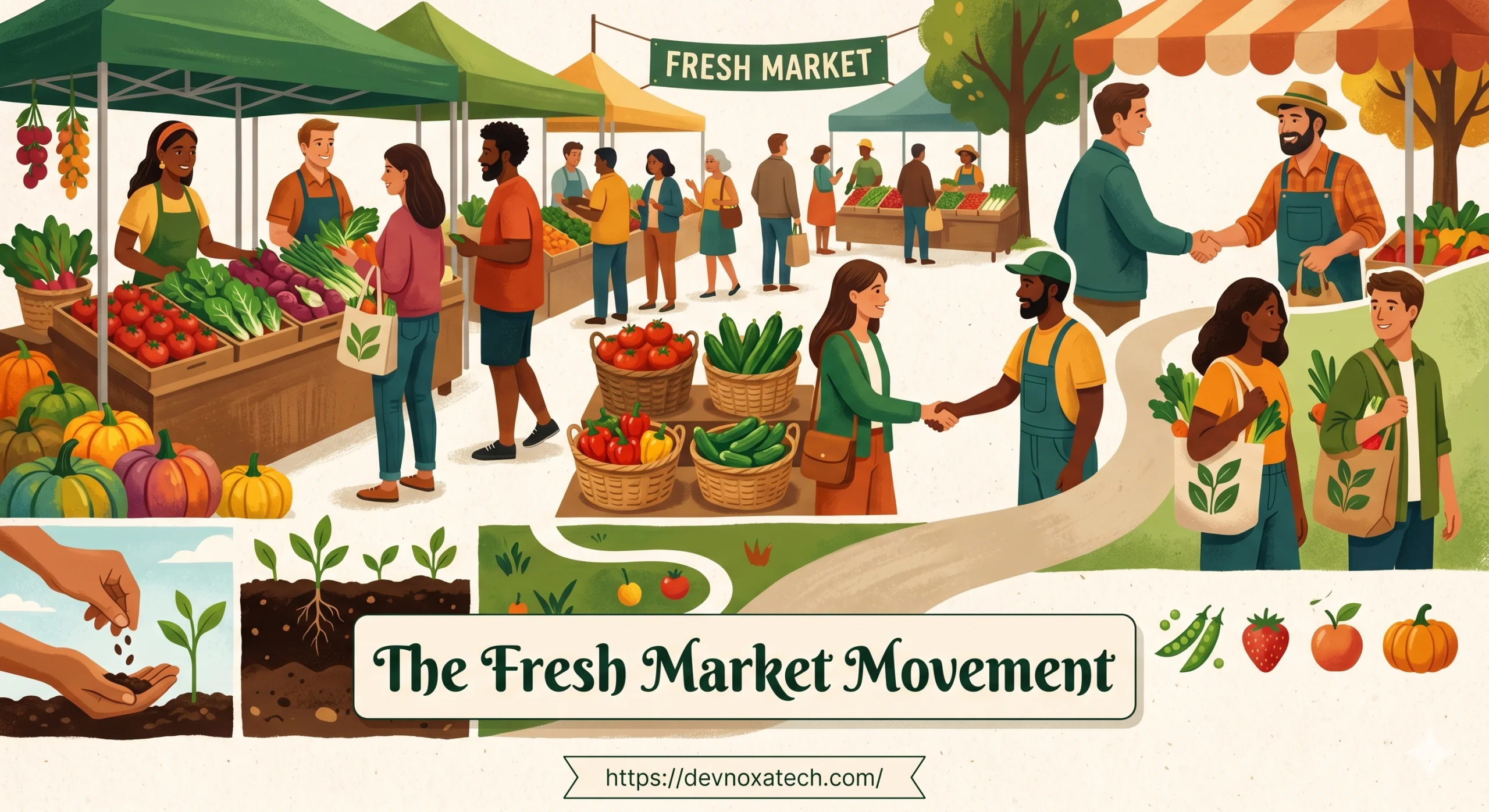

The modern food system is a marvel of logistics. At any hour of the day, a person can walk into a conventional supermarket and purchase a pint of blueberries in the dead of winter or an avocado that traveled thousands of miles across oceans. Yet, as the distances between the farm and the fork have stretched across continents, a growing counter movement has taken root. People are actively seeking an alternative to the sterile, plastic wrapped aisles of corporate grocery chains. This collective desire for quality, connection, and real flavor has fueled the resurgence of the fresh market.
A fresh market is more than just a place to buy ingredients. It is a sensory experience, a community hub, and a direct link to the rhythms of nature. Whether it takes the form of an open air weekend farmers market, a historic covered city market, or a specialized neighborhood grocer, the core philosophy remains the same. The focus is placed squarely on whole, minimally processed foods that are sourced as locally and transparently as possible.
The Awakening of the Senses
To walk into a true fresh market is to invite a rush of sensory data that is entirely missing from the conventional shopping experience. In a standard grocery store, the environment is carefully engineered for uniformity. The lighting is sterile, the temperature is mechanically chilled, and the produce is often selected more for its ability to survive a cross country truck ride than for its taste. Everything is uniform, predictable, and remarkably quiet.
At a fresh market, the atmosphere is alive. The air is thick with the scent of bruised mint leaves, earthy roots, and ripe stone fruit. Pyramids of heirloom tomatoes sit in woven baskets, displaying a wild spectrum of deep purples, vivid yellows, and streaky greens. Their skin is warm from the morning sun, and they carry an intense, intoxicating fragrance that disappears entirely when food is kept in cold storage for weeks.
The soundscape is equally vibrant. Instead of soft elevator music, there is the hum of human interaction. Vendors share tips on how to roast a specific variety of squash, neighbors call out greetings to one another, and bakers call out the arrival of fresh sourdough loaves straight from the oven. This sensory richness turns food shopping from a monotonous chore into a joyful ritual.
Reclaiming True Flavor Through Seasonality
The most significant gift of the fresh market is the rediscovery of flavor. Much of the produce found in global supply chains is harvested before it is ripe so that it can ripen artificially in transit. While this ensures that shelves are never empty, it comes at a steep cost to taste and nutrition. Fruits and vegetables develop their complex flavors and peak nutrient profiles in the final days of ripening on the plant. When cut off from the source too early, they remain bland imitations of what they were meant to be.
Fresh markets operate on a different calendar. They are governed by the seasons. When you buy a strawberry in the height of June from a local grower, it is sweet, juicy, and ruby red all the way through to the core. It tastes exactly like a strawberry should. Eating seasonally means accepting that certain foods will not be available year round, but it also means enjoying them when they are at their absolute best.
This creates a natural variety in our diets. Autumn brings an abundance of crisp apples, earthy root vegetables, and hearty greens. Spring introduces delicate asparagus spears, wild ramps, and sweet peas. By aligning our plates with the natural harvest cycles, we break the monotony of industrial eating and rebuild a deeper appreciation for the food that sustains us.
The Value of the Direct Connection
Beyond the physical health benefits of eating nutrient dense food, the fresh market offers profound social value. In the modern marketplace, anonymity is the norm. We rarely know who grew our food, where it came from, or how the people who harvested it were treated. The fresh market dismantles this wall of separation.
When you purchase directly from a farmer, an artisan baker, or a local cheesemaker, you are participating in a relationship built on trust. You can look the producer in the eye and ask how the animals were raised or what methods were used to manage pests in the fields. This transparency builds accountability. It also creates a sense of gratitude. It is much harder to let a bunch of greens go to waste in your refrigerator crisper drawer when you remember the face of the person who spent months tending them.
This direct transaction also keeps money within the local economy. In conventional retail, only a tiny fraction of every dollar spent actually makes it back to the farmer. The vast majority is swallowed up by distributors, packers, and corporate overhead. At a fresh market, the financial return goes directly to the people doing the hard work of cultivating the land. This financial support helps independent farms survive, preserves open green spaces, and strengthens the economic resilience of the surrounding community.
Environmental Stewardship on the Plate
The global food system is incredibly energy intensive. The average ingredient on a western dinner plate travels thousands of miles before it is consumed, burning fossil fuels and requiring massive amounts of packaging material simply to prevent spoilage.
Fresh markets present a much gentler environmental footprint. Because the food travels short distances from nearby fields, the need for heavy plastic packaging, wax coatings, and chemical preservatives is dramatically reduced. Buyers can easily bring their own reusable canvas bags and mesh pouches, filling them with loose, unblemished items.
Furthermore, the small scale farmers who populate these markets are frequently the stewards of sustainable agricultural practices. They are more likely to practice crop rotation, cultivate cover crops, and avoid the heavy chemical inputs common in massive monoculture farming. By supporting these practices, consumers are actively investing in soil health, clean waterways, and biodiversity.
Cultivating a Sustainable Future
Choosing to shop at a fresh market is a small but revolutionary act. It is a decision to step off the conveyor belt of convenience and choose quality over quantity, community over corporate efficiency, and flavor over shelf life. It encourages us to slow down, cook with intention, and respect the natural resources required to produce a single meal.
As city planners and communities look for ways to build healthier, more resilient neighborhoods, the integration of fresh food spaces is becoming essential. These spaces serve as critical infrastructure for public health, human connection, and ecological balance. By casting our daily economic votes in favor of local food systems, we help ensure that true, vibrant food remains accessible for generations to come.
To explore innovative ways technology is helping small businesses, communities, and independent platforms build meaningful connections in the modern world, visit Devnoxa Tech.