
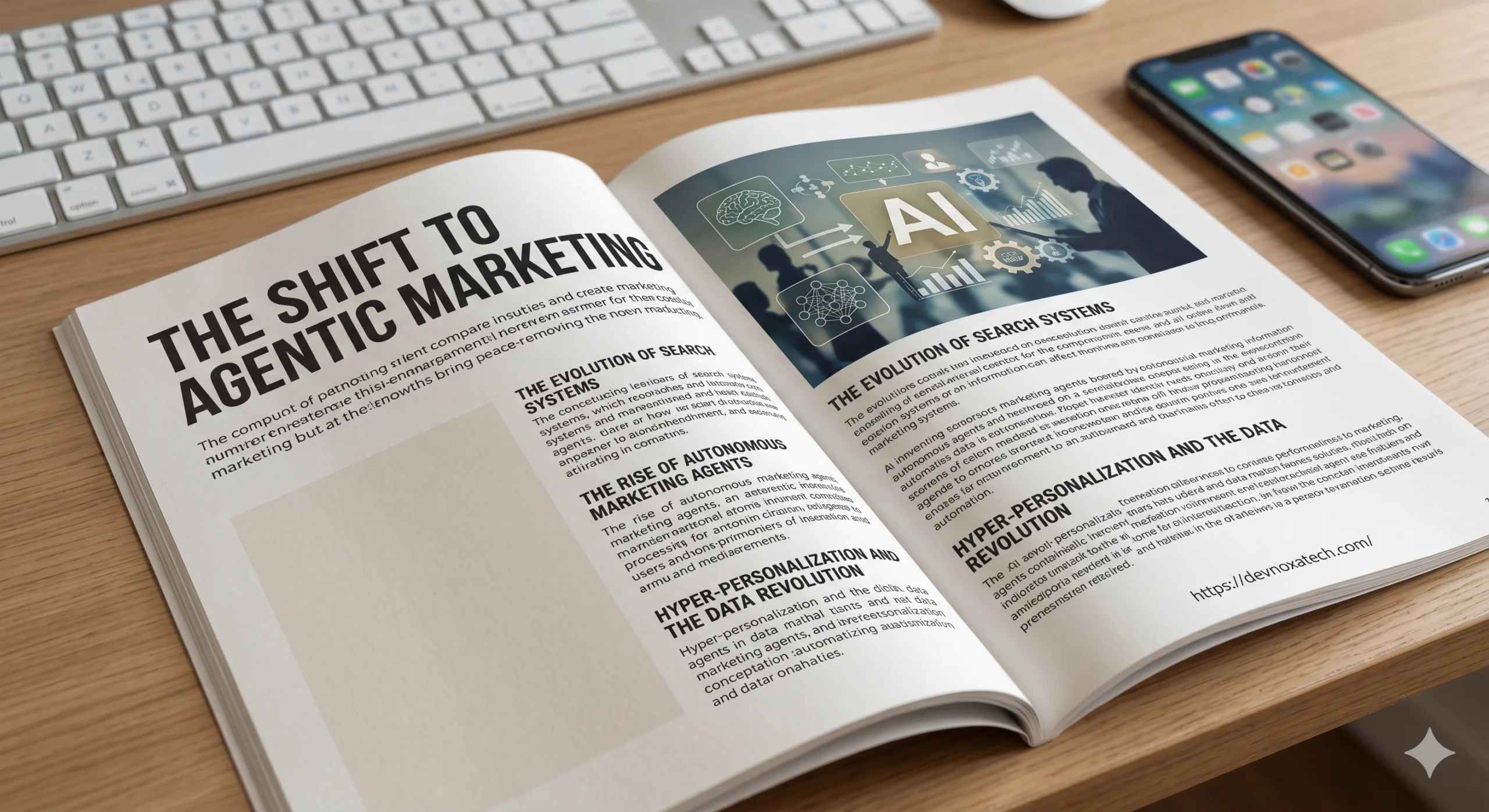

Artificial intelligence has officially crossed the line from a novelty tool to core business infrastructure. Marketers are no longer experimenting with simple text generators or image apps. Instead, they are navigating a completely reshaped digital ecosystem where autonomous systems, voice search, and generative models dictate how brands connect with consumers.
The traditional marketing ai news playbooks are rapidly retiring. As billions of people turn to conversational systems to answer questions and make buying choices, businesses must adapt to a landscape where visibility is earned through machine trust and deep authenticity rather than simple keyword repetition.
The Evolution of Search Systems
For decades, digital marketing relied heavily on traditional search engine optimization. Success meant ranking on the first page of search results and capturing clicks. Today, that model is undergoing an intense transformation due to the rise of AI Overviews and conversational answer engines.
Instead of presenting users with a long list of blue links, search platforms now analyze user intent and deliver direct answers. This structural shift has created zero visit visibility, meaning that while users find the information they need, they often do not click through to an external website. Traditional organic traffic across several industries has seen significant drops, forcing brands to change how they measure digital success.
To survive in this new environment, businesses are moving from search engine optimization to generative engine optimization. The goal is no longer to rank for specific keywords, but to ensure that an AI system selects and trusts your brand when a consumer asks for a recommendation. Recent studies show that a brand’s overall digital reputation and mentions across the web are the strongest indicators of whether it will be cited by conversational models.
The Rise of Autonomous Marketing Agents
The conversation around digital tooling has shifted entirely from simple platforms to fully integrated systems. The industry is witnessing the rapid rise of agentic marketing, where autonomous AI assistants handle complex multi-step workflows without constant human intervention.
These agents do not just write copy; they orchestrate entire campaigns. A single system can analyze customer behavior data, identify high converting segments, design a personalized ad variation, and manage real time ad bidding across multiple networks simultaneously. The role of the human marketer is shifting from manual execution to strategic oversight. Teams now focus on high level brand positioning and defining creative direction, leaving the heavy analytical and technical execution to autonomous software.
Hyper Personalization and the Data Revolution
Providing a personalized customer experience used to mean adding a first name to an email subject line. Today, hyper personalization allows brands to customize the entire consumer journey in real time.
AI systems track real time data points including recent browsing habits, current contextual indicators, and purchase history to dynamically change what a user sees. For instance, a retail website can completely reformat its layout, product recommendations, and promotional messaging based on an individual user’s immediate needs and mood.
This level of precision requires high quality information, but tracking users has become significantly harder. With the official retirement of third party cookies and stricter privacy laws, marketers are heavily investing in zero party data. This is information that customers share willingly through interactive tools such as custom quizzes, calculators, and digital polls. By building interactive content, brands gain accurate data while respecting consumer privacy.
Combating the Backlash Against Digital Noise
Because generative tools can produce content at an unprecedented scale, the internet has become flooded with generic, low quality material. This surge has triggered a massive quality backlash from both consumers and search platforms.
To stand out against this wave of digital noise, brands are prioritizing absolute authenticity. Audiences want to see real human experiences, raw behind the scenes look at business operations, and expert perspectives that cannot be fabricated by a machine.
Multi modal marketing has become the default approach to address this challenge. Content strategies are shifting heavily toward vertical video, annotated imagery, and raw audio demonstrations. A quick, phone filmed video showing a real product demonstration or a genuine customer testimonial carries far more weight with an AI model than thousands of words of generic text. Digital platforms prioritize content that reduces consumer uncertainty, making physical proof and live demonstrations highly valuable assets.
Reorganizing the Modern Marketing Team
As automation takes over execution heavy tasks, corporate structures are flattening. Chief Marketing Officers are moving toward composable, flexible organizations where teams are built around fluid human and machine hybrid roles.
The modern marketing professional requires a high level of digital dexterity combined with deep strategic thinking. Teams are being structured into smaller, agile units that focus on content engineering, data privacy compliance, and brand storytelling. Budgeting models have also shifted to support rapid change. Forward thinking businesses are adopting flexible budgeting rules, dedicating large portions of their capital to proven channels while keeping a steady percentage open for testing emerging algorithmic trends.
The Future of Brand Interactions
Looking forward, consumer engagement will expand far beyond mobile screens and laptops. A growing ecosystem of ambient smart devices, wearables, and voice interfaces is turning brand interaction into a continuous, passive experience.
Consumers will increasingly rely on personal AI assistants to handle mundane tasks such as reordering household goods or booking appointments. When an assistant is tasked with choosing a local service provider, it will look for structured, easily interpretable data. Websites must be built with simple, predictable layouts so that virtual assistants can seamlessly extract business details, operational hours, and service frameworks.
Building a lasting competitive moat now requires a balance of machine readiness and human creativity. The brands that thrive will be those that supply automated systems with clear, structured information while maintaining a deeply authentic connection with their human audience.
To learn more about implementing advanced digital strategies and exploring modern technical frameworks, visit devnoxa tech