
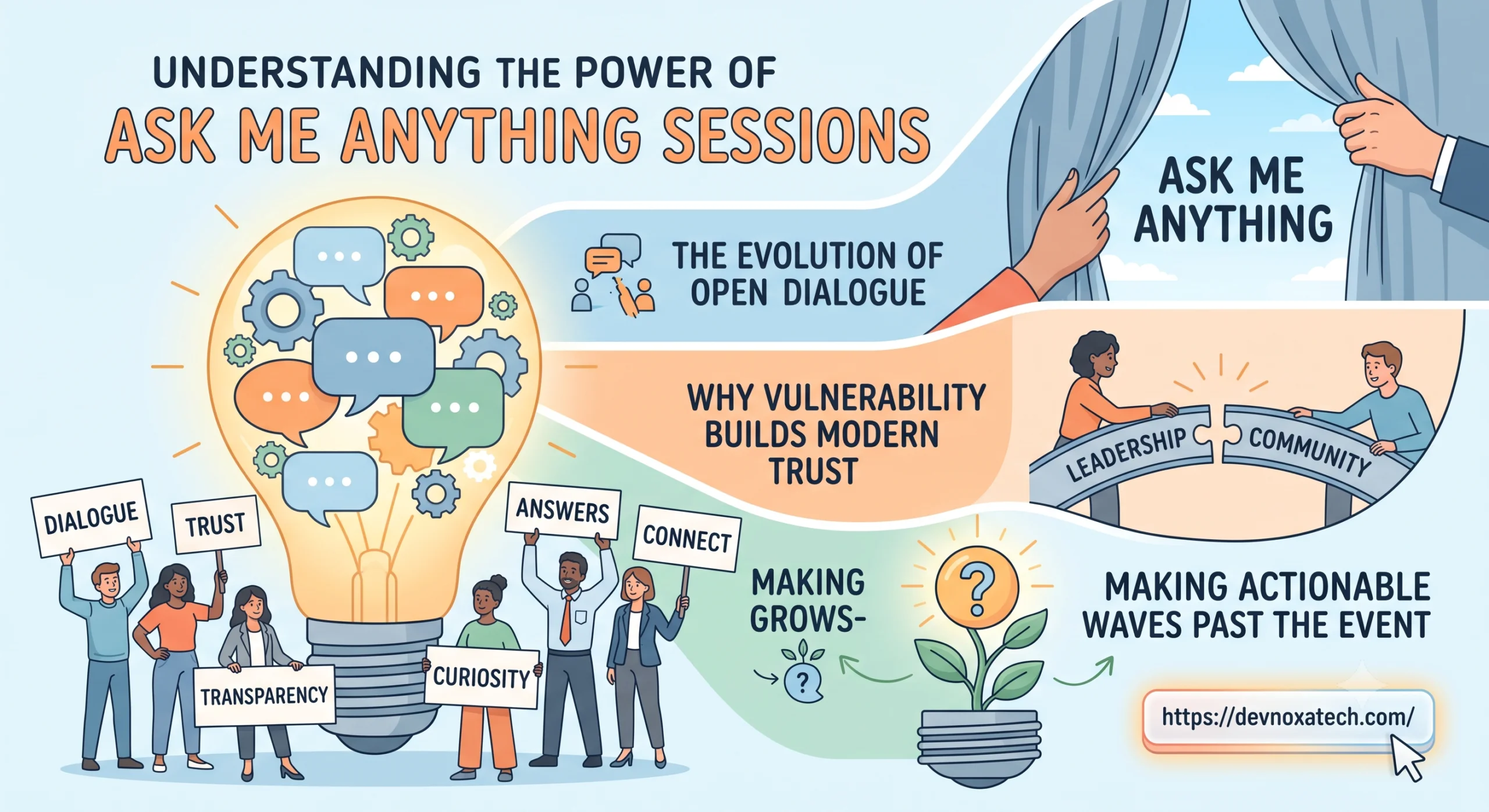

Modern communication relies heavily on directness and transparency. Among the various formats that have emerged to break down traditional walls of communication, few have grown as rapidly or dynamically as the Ask Me Anything ama session. Originally popularized on internet forums where everyday users could quiz celebrities, scientists, and world leaders, this format has smoothly transitioned into corporate boardrooms, remote workplaces, and educational institutions.
An Ask Me Anything event is exactly what it sounds like. It is an open forum where a speaker, leader, or expert takes unscripted, unfiltered questions from an audience. By removing the traditional constraints of prepared speeches and rigid agendas, these sessions offer a raw, authentic look into the minds of the people steering the ship. Understanding how these sessions function and how to maximize their potential can completely change the way a community or company shares knowledge.
The Evolution of Open Dialogue
To truly appreciate the value of this conversational format, it helps to look at where it started. The concept found its digital home on communities like Reddit, where internet users realized that direct access to interesting public figures yielded far more engaging content than standard media interviews. Instead of a journalist asking curated questions, a global audience could ask about a physicist’s favorite sci-fi movie, a politician’s genuine motivations, or an actor’s strangest onset experience.
The format succeeded because it democratized curiosity. It shifted the power from the gatekeepers of information directly to the audience. Over time, forward-thinking business leaders and community organizers noticed this shift. They realized that the same hunger for transparency existing on public internet forums was also brewing inside modern workplaces. Employees no longer wanted top-down memos; they wanted real answers to real questions. Today, the practice serves as a cornerstone of transparent corporate culture, bridging the gap between front-line employees and executive leadership.
Why Vulnerability Builds Modern Trust
At the heart of every successful open Q&A session is vulnerability. Traditional corporate or institutional communication often feels over-polished. Press releases, scripted town halls, and carefully worded emails can sometimes feel defensive or distant, even when the intentions behind them are entirely good.
When a leader stands in front of a room or jumps on a live video stream without a script, the dynamic changes instantly. It signals a willingness to be vulnerable. By opening the floor to any question, leaders show that they do not fear the tough topics, whether those topics involve upcoming budget cuts, shifts in company strategy, or personal career missteps. This transparency humanizes leadership. When people see their leaders answering honestly, admitting when they do not have all the answers, and speaking like human beings rather than corporate entities, trust grows organically across the entire group.
Cultivating a Psychological Safety Net
For an open forum to truly thrive, the environment must feel safe for the participants asking the questions. If an employee or community member worries that asking a difficult or critical question will result in professional backlash, the session will quickly devolve into a superficial exercise with safe, polite inquiries that offer little real value.
Creating psychological safety requires deliberate effort from organizers and speakers alike. Many organizations handle this by allowing anonymous question submissions prior to or during the live event. This approach ensures that even the most soft-spoken or cautious individuals can voice pressing concerns without fear of judgment. Furthermore, the speaker’s reaction to tough questions sets the tone for future sessions. Validating a hard question, thanking the person for bringing it up, and addressing it with candor reinforces a healthy culture where open feedback is celebrated rather than punished.
Designing the Framework for Success
While the appeal of these sessions lies in their spontaneous nature, the best events are rarely left entirely to chance. A light framework of preparation ensures the time remains productive, respectful, and highly informative for everyone involved.
First, setting a broad theme can help guide the audience’s focus without restricting their freedom. For example, a session might be framed around a recent product launch, a cultural transition, or long-term future goals. Second, utilizing a moderator can keep the energy moving smoothly. A skilled moderator balances the conversation, ensures a single topic does not monopolize the entire hour, and steps in to rephrase overly complex or hostile questions into constructive dialogue. Finally, establishing a clear time limit prevents fatigue, keeping the exchange sharp, energetic, and engaging from the first question to the last response.
Making Actionable Waves Past the Event
The final response of an event should never mark the end of the conversation. The real long-term value of open dialogue lies in what happens after the room clears or the video call ends. A session reveals a direct map of what an audience cares about most, highlighting their anxieties, confusion, and areas of deep excitement.
Smart organizations document the core takeaways, creating follow-up summaries or updating internal knowledge bases to address the gaps highlighted during the discussion. When an audience sees that their questions actively influence future decisions, policy updates, or resource allocations, they realize their voices possess genuine weight. This continuous loop of listening and acting transforms a simple question-and-answer hour into a powerful catalyst for systemic clarity, alignment, and shared purpose.
To explore how modern technical frameworks and clear digital communication strategies can elevate your organization’s internal and external platforms, visit Devnoxa Tech.