
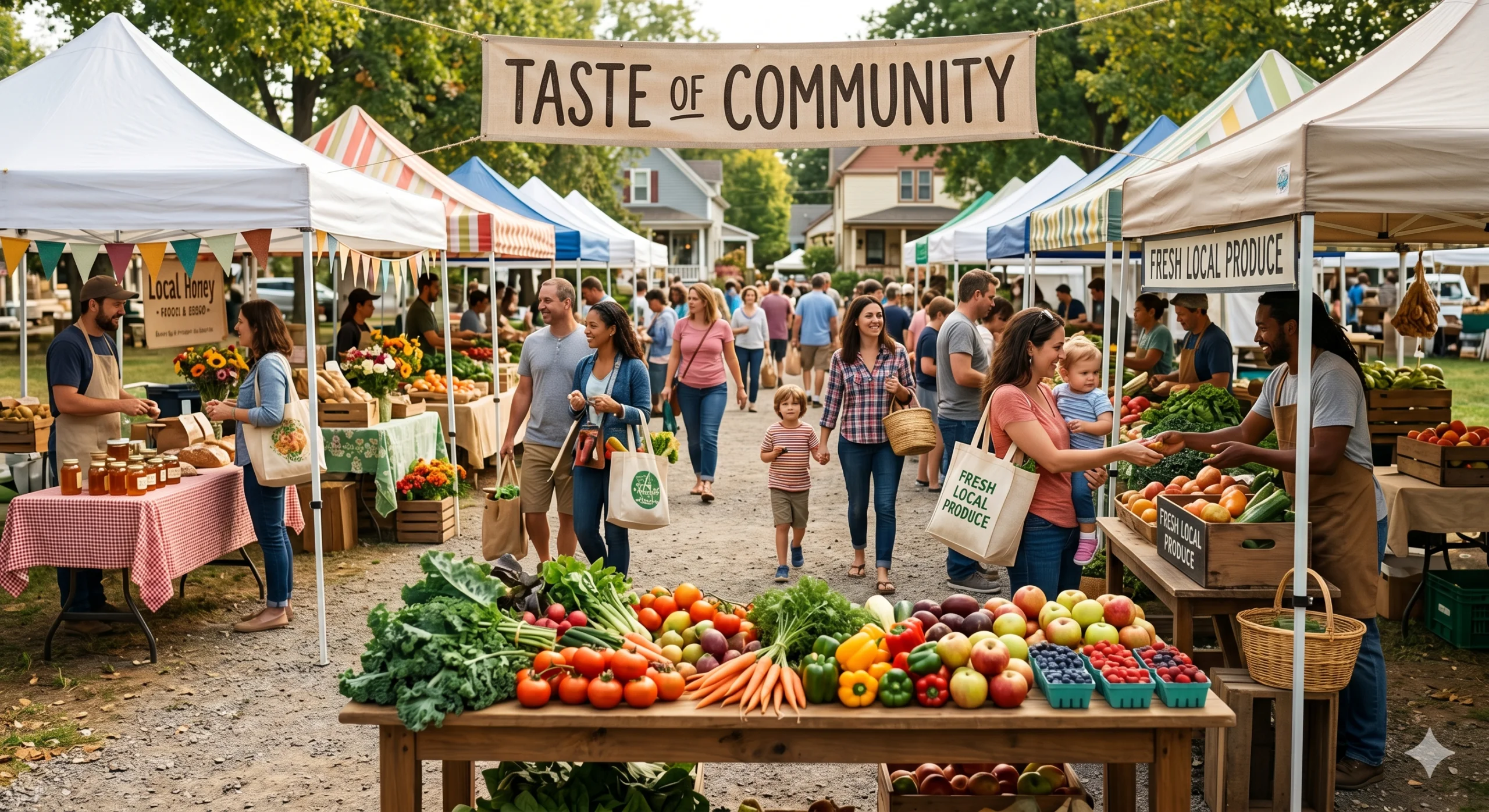

Stepping into a local farmers market feels like unlocking a hidden side of your city. The air carries the sharp scent of crushed basil, the earthy aroma of root vegetables freshly pulled from the dirt, and the sweet perfume of ripe strawberries. It is a striking contrast to the sterile, fluorescent aisles of a modern supermarket. When you search for a farmers market near you, you are not just looking for a grocery destination. You are initiating a sensory shift, choosing an experience that grounds you in your immediate community and connects you to the natural rhythm of the seasons.
Shopping locally transforms food from a simple commodity into a shared story. Across the globe, from the historic plazas of Europe to the bustling weekend setups in cities like Karachi and Boston, people are rediscovering the joy of buying directly from the source. It is an age old practice that feels entirely fresh in our hyper digital world. Finding these local hubs is easier than ever, and the benefits extend far beyond your dinner plate.
Freshness You Can Taste
The most immediate reward of sourcing food from a nearby market is the undeniable quality of the produce. Most supermarket items endure a long, exhausting journey. They are harvested before they are fully ripe, packed into refrigerated containers, and shipped across continents. By the time that tomato or apple reaches the shelf, it has lost a significant portion of its nutritional value and flavor.
Farmers market produce tells a completely different story. Most items are picked at the absolute peak of ripeness, often just 24 hours before they are laid out on the vendor tables. You will notice the difference instantly. The greens are crisp, the berries burst with juice, and the carrots actually taste like carrots. Because these items do not need to survive weeks of transport, growers can focus on heirloom varieties chosen for their incredible flavor rather than their structural durability.
Eating this way naturally aligns your diet with the seasons. You learn to look forward to the crisp apples of autumn, the hearty root vegetables of winter, the tender asparagus of spring, and the sweet corn of summer. It keeps your cooking dynamic, inspiring you to experiment with unique ingredients you might never encounter in a standard grocery chain.
Supporting Family Legacies
Behind every table at a local market is a person, a family, or a small cooperative pouring their energy into the land. When you purchase a bunch of radishes or a jar of raw honey, your money goes directly to the individual who produced it. This direct economic exchange bypasses corporate middlemen and distribution networks, allowing small scale growers to take home a much fairer share of the profits.
Investing your money locally keeps your community vibrant. It ensures that nearby green spaces remain productive agricultural land rather than turning into concrete developments. It supports family businesses, allowing multi generational farms to pass their skills down to the next wave of growers. There is a deep satisfaction in knowing your food dollars are directly funding someone’s livelihood, helping them purchase new equipment, feed their families, and keep their traditions alive.
Environmental Stewardship
Choosing to buy food grown close to home is one of the most effective personal actions you can take to reduce your carbon footprint. The traditional food supply chain relies heavily on fossil fuels to move goods thousands of miles. By cutting out the massive transportation networks, local markets drastically reduce the energy required to bring food to your kitchen.
Furthermore, small scale farmers are often deeply committed to sustainable and organic practices. Many utilize companion planting, natural pest management, and crop rotation to keep their soil healthy without relying on aggressive synthetic chemicals. You will also notice a significant reduction in packaging. Instead of vegetables tightly wrapped in single use plastics and styrofoam trays, market produce is typically sold loose. Shoppers bring their own reusable canvas bags, creating a zero waste cycle that respects the planet.
Beyond Fruits and Vegetables
While the vibrant heaps of produce are the main event, a great farmers market is a treasure trove of artisanal goods. As you wander down the lanes, you will find passionate makers showcasing products crafted with incredible care and high quality ingredients.
- Artisanal Cheeses: Small batch cheesemakers often bring varieties inspired by European traditions but crafted with fresh, local milk, offering everything from creamy camembert to sharp, aged goat cheeses.
- Fresh Baked Goods: Sourdough starters that have been nurtured for years yield crusty, rustic loaves, alongside flaky pastries and traditional desserts made without artificial preservatives.
- Small Batch Condiments: Discover homemade jams sweetened with seasonal fruit, fiery hot sauces, unrefined sugarcane jaggery, and locally harvested honey that captures the distinct floral notes of your region.
- Responsible Meats: Many markets feature vendors selling pasture raised poultry, grass fed beef, and fresh eggs from animals raised humanely on nearby pastures.
Fostering Human Connection
Perhaps the most beautiful aspect of the modern farmers market is its power to build community. In an era where grocery shopping has become an automated, solitary task involving self checkout screens and headphones, the market invites you to slow down and interact.
It is a place where you can look the grower in the eye and ask for cooking tips. You can ask the person who picked your greens the best way to sauté them, or find out which apple variety makes the perfect pie. It is a lively social hub where neighbors bump into each other, children learn where their food actually comes from, and local musicians play soft acoustic sets in the background. It transforms a weekly chore into a joyful community ritual.
Locating Your Market
Finding a market close to home is incredibly straightforward. A quick online search or a glance at local agricultural directories will point you toward neighborhood parks, parking lots, or dedicated town squares that host weekend vendors. Many cities feature directories that detail exact operating hours, vendor lists, and whether the market participates in local nutrition assistance programs.
Make it a goal to visit this weekend. Grab your favorite reusable bags, head out with an open mind, and let the colors and smells guide your shopping list. You will return home with food that is fresher, healthier, and packed with genuine local character.
To learn more about community initiatives and digital solutions, visit Devnoxa Tech.