
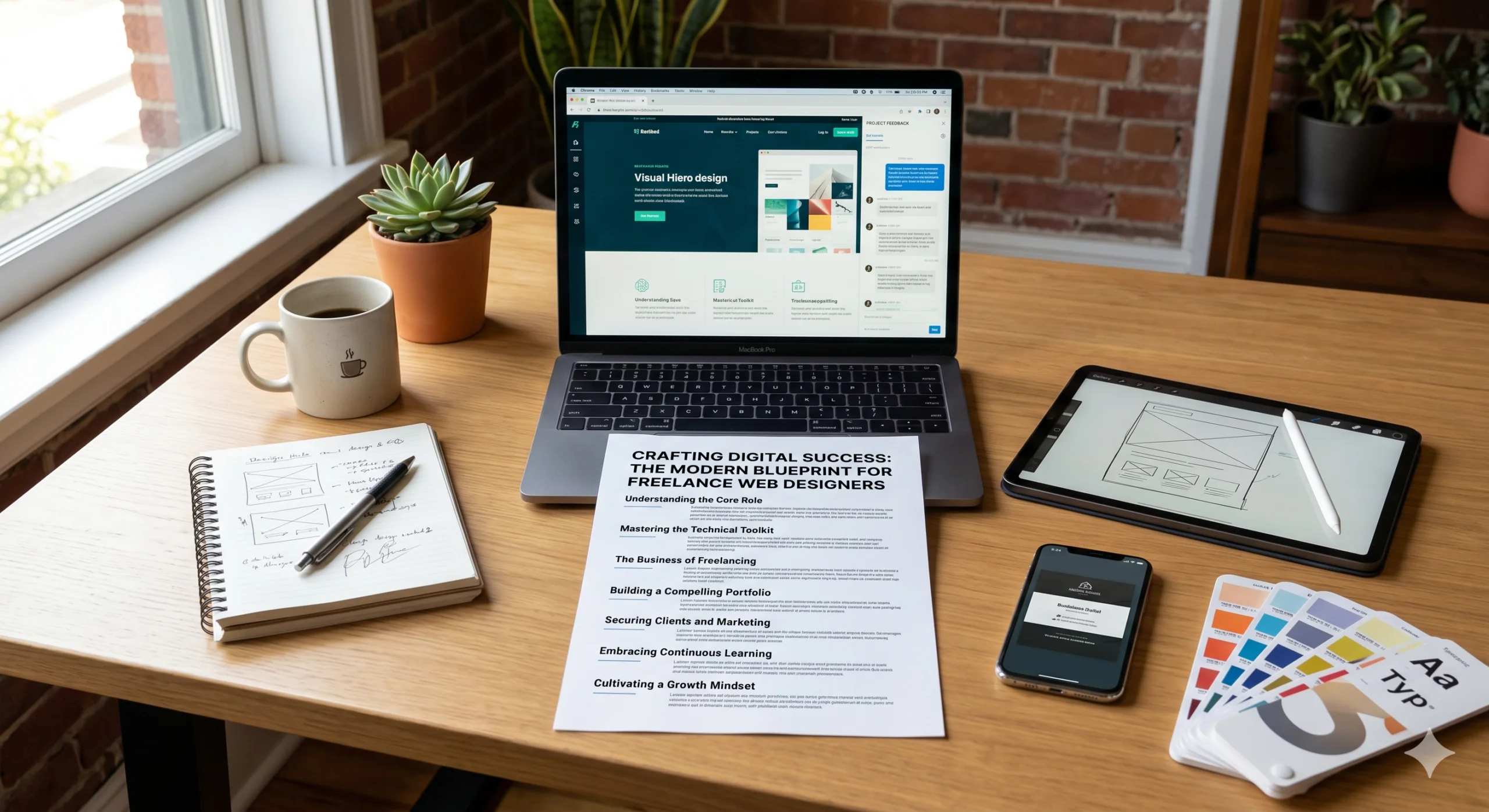

The digital landscape is expanding at a breakneck pace. Every local boutique, growing startup, and established enterprise requires a powerful online presence to survive. At the center of this digital gold rush is the freelance web designers a professional who blends artistic vision with technical skill to build the virtual storefronts of the modern economy. Choosing this career path offers unparalleled freedom, but it also demands a diverse skill set that goes far beyond just picking color palettes or writing lines of code.
Building a successful freelancing career in web design is about mastering the balance between creativity, technical execution, and business management. For those willing to navigate the complexities of working independently, the rewards include flexible schedules, creative autonomy, and unlimited earning potential.
Understanding the Core Role
A freelance web designer is responsible for how a website looks, feels, and functions. Unlike corporate designers who might focus on a singular, highly isolated component of a massive platform, a freelancer often manages the entire lifecycle of a project. This requires an understanding of visual hierarchy, typography, user interface design, and user experience principles.
The goal is always to create a digital space that is not only visually striking but also intuitive. A beautiful website is ineffective if a visitor cannot figure out how to navigate the menu or fill out a contact form. Freelancers must design with intention, ensuring that every element serves a specific purpose and guides the user toward a desired action, such as making a purchase or signing up for a newsletter.
Mastering the Technical Toolkit
To stand out in a competitive marketplace, a freelance designer must build a versatile and modern toolkit. This starts with industry-standard design software used for creating wireframes, high-fidelity prototypes, and visual assets. Tools like Figma and Adobe XD have become essential for mapping out user journeys and collaborating transparently with clients before any actual development begins.
Beyond the purely visual side, a basic to intermediate understanding of web development is a massive competitive advantage. While some freelancers strictly hand off their designs to developers, those who can both design and build the site are highly sought after. Acquiring skills in HTML, CSS, and basic JavaScript allows you to bring your own visions to life exactly as intended. Furthermore, proficiency in content management systems like WordPress or modern no-code platforms allows you to deliver fully functional, easily manageable websites to clients who may not have a technical background.
The Business of Freelancing
Perhaps the sharpest learning curve for new freelancers is realizing that design work is only half the job. The remaining half is running a small business. Managing client relationships, drafting detailed contracts, tracking project scopes, and handling invoicing are vital to long-term survival.
Successful freelancers treat their practice as a professional agency. This means setting clear boundaries regarding revisions, establishing firm timelines, and requiring upfront deposits before any design work commences. Clear, proactive communication prevents the dreaded phenomenon of scope creep, where projects slowly expand in size and effort without a corresponding increase in compensation. By mastering administrative tasks and setting professional expectations, designers build trust and secure recurring business.
Building a Compelling Portfolio
In the freelance market, your portfolio is your most valuable asset. It serves as your primary proof of capability and your main marketing tool. Clients rarely care about degrees or certifications; they want to see high-quality, practical examples of your work.
When constructing a portfolio, quality always trumps quantity. It is far better to showcase three deeply detailed case studies than twenty generic screenshots of homepages. A strong case study outlines the initial problem the client faced, the strategic design decisions made to solve that problem, and the final measurable results, such as an increase in user engagement or conversion rates. If you are just starting out and lack traditional clients, creating concept designs for fictional brands or redesigning existing local business websites can effectively populate your initial portfolio.
Securing Clients and Marketing
Finding a steady stream of clients is often the most intimidating hurdle for independent designers. Relying solely on freelance bidding platforms can lead to a race to the bottom on pricing. Instead, building a sustainable pipeline requires a multi-channeled marketing strategy.
Networking remains an incredibly effective tool for sourcing high-value contracts. Attending local business meetups, participating in tech communities, and maintaining an active, professional presence on platforms like LinkedIn can connect you directly with decision-makers. Additionally, search engine optimization and content marketing can position you as an industry authority. By writing helpful articles or creating social media content that addresses common digital challenges businesses face, you naturally attract clients who are already looking for your specific expertise.
Embracing Continuous Learning
The tech and design industries move at an incredible speed. Design trends that felt fresh and innovative two years ago can easily look dated today. New tools, accessibility standards, and frameworks emerge constantly, making continuous education a mandatory part of the profession.
Dedicate time each week to study shifting design patterns, explore emerging software, and analyze the work of top-tier design agencies. Understanding modern shifts, such as designing for artificial intelligence interfaces or optimizing for mobile-first indexing, keeps your skill set highly relevant and exceptionally valuable to prospective clients.
Cultivating a Growth Mindset
Transitioning into a full-time freelance web design career is a journey filled with major milestones and distinct challenges. It requires resilience to handle dry spells between projects, confidence to negotiate fair rates, and the discipline to manage your own schedule without a manager looking over your shoulder. However, the ability to choose the projects you work on, collaborate with diverse businesses, and directly reap the financial rewards of your hard work makes the freelancing path immensely fulfilling. By focusing on exceptional design execution, robust business practices, and consistent self-marketing, you can build a sustainable, highly lucrative independent career.
To explore professional digital solutions, web design expertise, and comprehensive tech strategies for your next business project, visit devnoxa tech