

If 2024 was the year of the chatbot and 2025 was the year of integration, then April 2026 has officially become the year of the Autonomous Agent. We are moving past the era where we “ask” an AI to write a paragraph and entering the era where we “assign” an AI a project.
This isn’t just another incremental update; it’s a fundamental shift in how we interact with computers. We’ve stopped talking to our software and started talking through it.
From Chatbots to “Do-Bots”
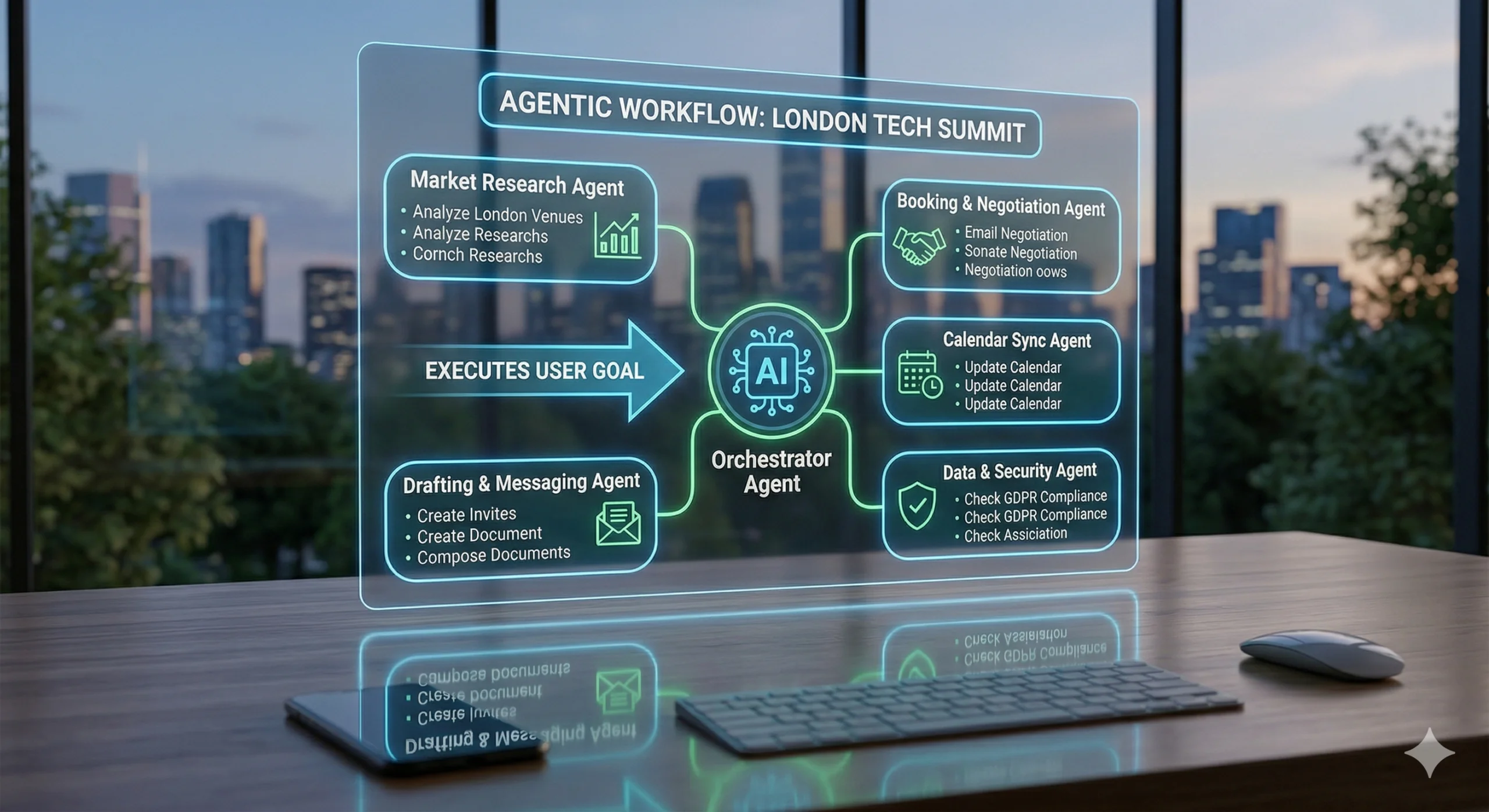
The trending buzzword in Silicon Valley and beyond right now is “Agentic AI.” Unlike traditional LLMs that wait for your next prompt, an autonomous agent is designed to take a high-level goal—like “organize a three-day tech summit in London”—and execute it.
An agentic system can browse the web for venues, negotiate prices via email, sync with your calendar, and draft the initial invites without you lifting a finger. It doesn’t just suggest; it acts. This shift from “thinking” to “doing” is what is currently driving the massive investment surge we’re seeing in companies like OpenAI and Google DeepMind this quarter.
The “Agent Economy”: A New Way to Work
We are seeing a ripple effect across the job market. The most in-demand tech roles of 2026 aren’t just about building the AI itself; they are about Orchestration.
“Agent Orchestrators” are the new project managers. Their job is to manage fleets of specialized AI agents—one for research, one for coding, and one for quality assurance—and ensure they are collaborating effectively. This is the “Multi-Agent System” (MAS) trend that Gartner recently identified as a top strategic priority for the year. It’s less about doing the work and more about directing the talent.
The Trust Gap: Security in an Autonomous World
With great autonomy comes great risk. As agents gain the power to make financial transactions and access sensitive company data, AI Security Platforms have become the hottest sector in cybersecurity.
In the headlines this week, we’ve seen debates over “Agentic Governance.” How much leash should we give an AI? If an agent accidentally leaks data or makes a poor financial decision, who is liable? This tension is creating a booming market for “AI Firewalls” and auditing tools that monitor agent behavior in real-time. For sites like devnoxatech.com, covering the intersection of AI capability and AI safety is currently a high-traffic “sweet spot.”
Why Small Businesses Are the Biggest Winners
While the headlines focus on the tech giants, the real transformation is happening in small businesses. For the first time, a solo entrepreneur can have the operational capacity of a 10-person team.
By employing a suite of autonomous agents to handle customer support, social media management, and basic bookkeeping, “lean” has taken on a whole new meaning. We are seeing a surge in “Micro-Multinationals”—tiny companies that use agents to compete on a global scale. This democratization of power is perhaps the most exciting part of the 2026 tech landscape.
Looking Ahead: The Goal-Oriented Future
As we look toward the second half of 2026, the focus will move from “What can AI do?” to “How can AI work together?” We are moving toward a world of Inter-Agent Communication, where your personal assistant agent talks directly to a restaurant’s booking agent to handle your dinner plans.
The future is no longer about the prompt; it’s about the purpose. By understanding how to harness these autonomous systems, we aren’t just becoming more productive—we are reclaiming our time for the creative, high-level thinking that only humans can do.
Stay updated on the latest Agentic AI breakthroughs and tech tutorials at: devnoxatech.com