
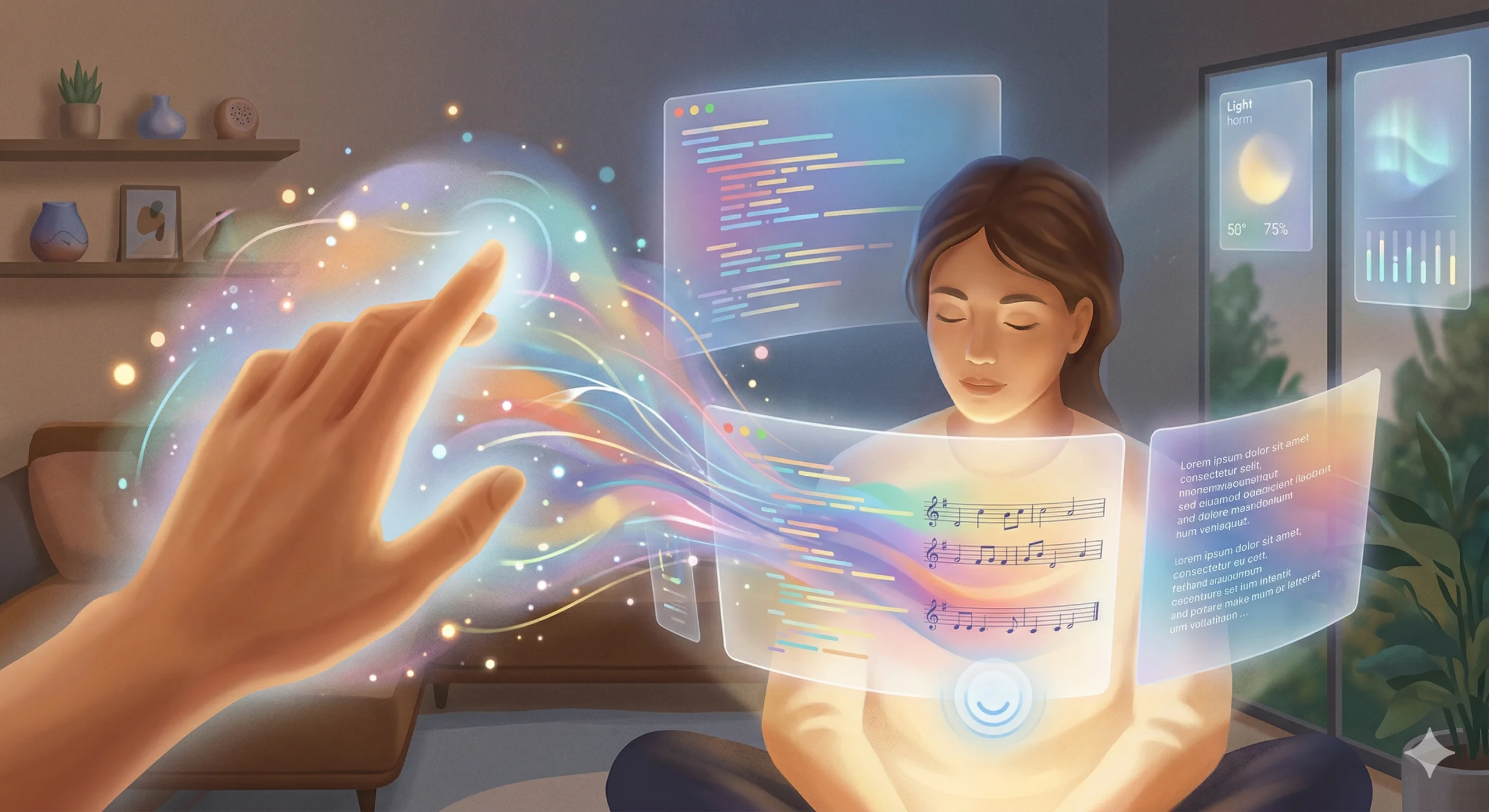

There is a common anxiety that the more “tech” our world becomes, the less human it feels. We look at the rise of automation, the hyper efficiency of algorithms, and the cold glow of our screens, and we worry that we’re losing our grip on the messy, beautiful, analog reality of being alive. But if you look closer at the current trajectory of innovation, something surprising is happening. Technology isn’t just getting faster; it’s getting more intuitive. It’s learning to speak our language, mirror our creativity, and anticipate our needs.
The “tech” of 2026 isn’t about boxes and wires anymore. It’s about integration, empathy, and the seamless bridge between human intent and digital execution.
The Shift from Tools to Partners
For decades, computers were tools. You had to learn their language COBOL, BASIC, or even just the specific “logic” of a Windows folder system to get them to do what you wanted. If you didn’t click the right button, the machine simply sat there, stubborn and silent.
Today, we are entering the era of Collaborative Technology. We no longer just “use” software; we partner with it. Generative AI and advanced machine learning have shifted the burden of understanding from the human to the machine. Instead of us learning how to talk to computers, computers have finally learned how to talk to us.
This shift is profoundly humanizing. It lowers the barrier to entry for creativity. A person with a brilliant idea for a film but no technical editing skills can now use AI driven video tools to bring their vision to life. A small business owner with no coding knowledge can deploy sophisticated logistics networks. Technology is finally becoming the great equalizer it was always promised to be.
The Ethics of the Digital Reflection
As tech becomes more “human like,” we face a new set of mirrors. When an AI writes a poem or a music model composes a symphony, it isn’t pulling those notes out of thin air. It reflects the collective history of human expression.
This brings us to the most human element of all: Ethics. The tech industry is currently undergoing a massive soul searching phase. We are asking the hard questions:
How do we protect the “human spark” in a world of synthetic media?
How do we ensure that algorithms don’t inherit our worst biases?
Where is the line between convenience and privacy?
The fact that these conversations are happening at the highest levels of engineering shows that we are moving past the “move fast and break things” era. We are entering the “move thoughtfully and build things that last” era.
The Return to Tangible Innovation
Interestingly, as our software becomes more ethereal, our hardware is becoming more tactile. We’re seeing a massive resurgence in “haptic” technology devices that provide physical feedback. Whether it’s the sophisticated vibration of a game controller that mimics the feel of raindrops or wearable tech that monitors our stress levels through skin conductivity, the goal is the same: to reconnect the digital experience to our physical bodies.
We are also seeing a push toward “Quiet Tech.” These are devices designed to stay out of the way until they are needed. Think of smart home systems that don’t require a screen to operate or augmented reality glasses that look like stylish frames rather than bulky headsets. The most advanced technology is the kind you forget is even there.
Why Technical Literacy is the New “Soft Skill”
In this new landscape, being “tech savvy” doesn’t mean knowing how to build a PC or write a script in Python. It means understanding the logic of the digital world. It means knowing how to prompt an AI effectively, how to verify the source of information in a sea of deepfakes, and how to maintain a healthy boundary between your digital and physical life.
Human centric tech requires us to be better humans. It requires critical thinking, empathy, and a sense of wonder. The machines can handle the data crunching, but they can’t handle the “why.” They can tell us how to optimize a city’s traffic flow, but they can’t tell us why we should prioritize green spaces over parking lots. That remains a uniquely human prerogative.
The Road Ahead: Integration, Not Replacement
The fear that robots will take our jobs or that screens will replace our friends is a valid one, but history suggests a different outcome. Every major technological leap from the printing press to the steam engine has initially sparked fear of obsolescence. And every time, humans have used that newfound power to reach for things that were previously impossible.
We aren’t being replaced; we are being upgraded. We are shedding the mundane, repetitive tasks that machines are better at, freeing ourselves to focus on the high level problems: climate change, space exploration, and the complexities of social harmony.
Conclusion: The New Digital Dawn
The story of technology has always been a story of us. It is the story of our desire to communicate further, move faster, and understand more. As we look toward the horizon of the late 2020s, the “tech” we see isn’t cold or clinical. It is a vibrant, shifting landscape that is more aligned with human biology and psychology than ever before.
To stay ahead of these changes, you need a source that understands both the specs and the spirit of the industry. Understanding the “how” is important, but understanding the “impact” is what truly matters in a fast paced world.
For the latest insights into how technology is shaping our world, visit: devnoxa tech