
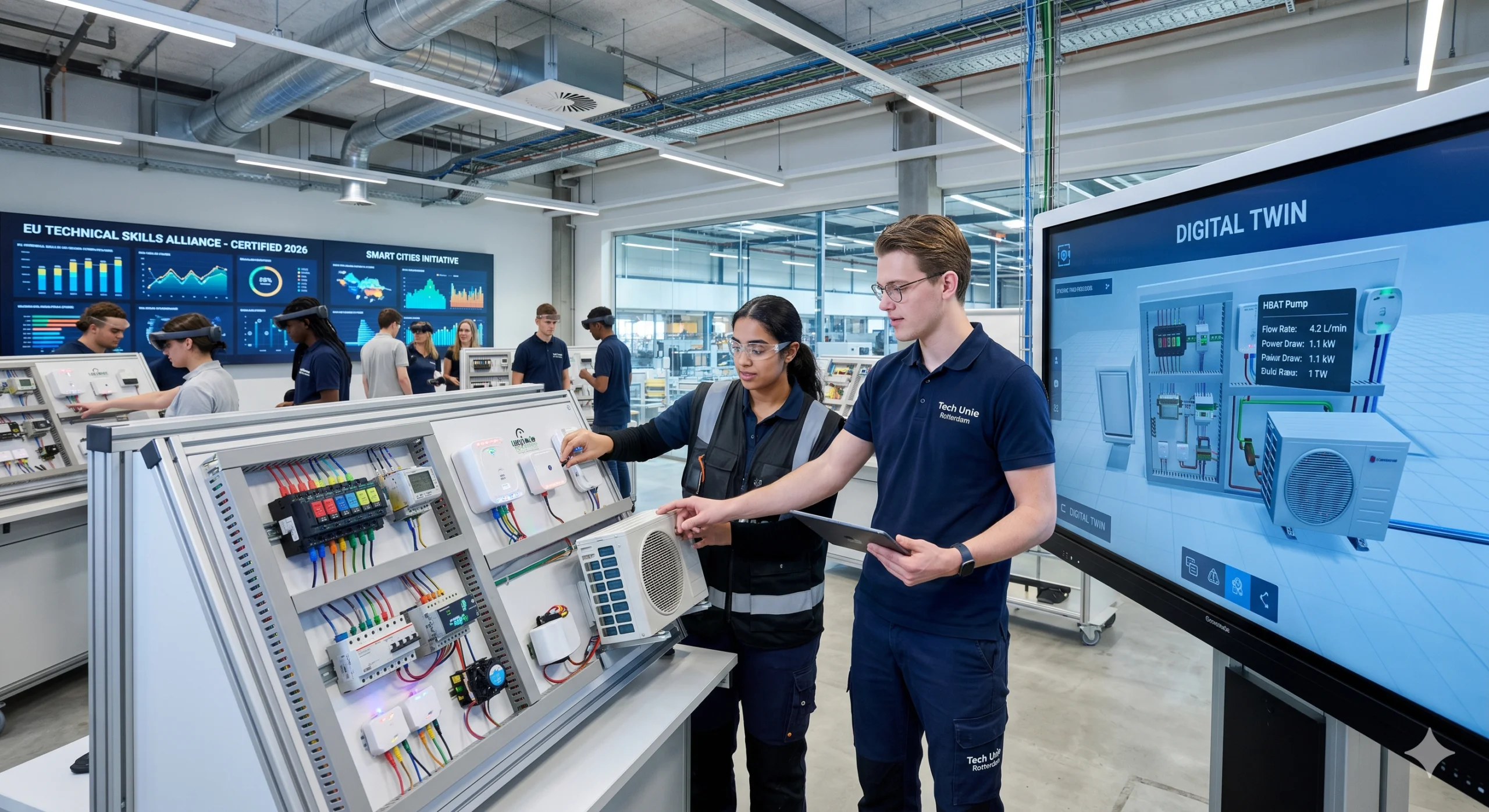

Whether you are looking at the massive logistics of electrical engineering supply chains or the educational alliances forming the next generation of engineers, understanding the “Tech Unie” ecosystem is vital for anyone in the construction, installation, or digital sectors.
The Backbone of Technical Infrastructure
At its core, a Tech Unie (or Technical Union) acts as the central nervous system for the installation industry. In a world where smart buildings and sustainable energy are the new standard, the sheer volume of parts and expertise required is staggering. From climate control sensors to fiber optic cabling, these unions manage millions of individual items from thousands of global suppliers.
In 2026, the role of these wholesalers has evolved far beyond simple “warehousing.” They have become high tech partners that offer:
- Logistical Precision: Utilizing AI driven distribution centers to ensure that a contractor in a remote area gets the specific lighting fixture they need by 7:00 AM the next day.
- Smart Sustainability: Providing the data and the hardware for “Circular Building,” where materials are tracked from installation to eventual recycling.
- Technical Training: Serving as a bridge for engineers to learn about emerging technologies, such as hydrogen heating systems or advanced EV charging grids.
The “Education First” Approach
One of the most exciting aspects of the Tech Unie model in 2026 is its focus on human capital. We are seeing a massive “skills gap” in the technical trades. To combat this, many technical unions have opened specialized “Experience Centers” and education hubs.
These aren’t just classrooms; they are living labs where installation engineers can test “Smart City” equipment in a controlled environment. By empowering their workforce to become technologically literate, these organizations ensure that the rapid pace of innovation doesn’t leave the actual workers behind.
The Convergence of Tech and Trade
In the past, there was a clear line between “Tech” (software, data, and code) and “Trade” (pipes, wires, and hammers). Today, that line has vanished. A modern HVAC tech needs to understand cloud data as much as they understand refrigerant levels.
This convergence is the heart of the “Unie” philosophy. It is about the union of the digital and the physical. For example, a “Tech Unie” platform today often includes an app that allows a worker to scan a QR code on a broken machine, instantly pull up the wiring diagram, and order the replacement part all while the customer is still describing the problem.
Future Proofing the Industry
As we look toward the 2027 horizon, the Tech Unie model is expanding into several key areas:
- The Energy Transition: Providing the massive scale of equipment needed for the global shift to solar, wind, and battery storage.
- AI Ready Logistics: Using predictive analytics to tell a construction firm exactly what materials they will need next week based on their project progress.
- Inclusive Innovation: Working with European and global university alliances to standardize engineering credentials, allowing technical professionals to work more fluidly across borders.
Conclusion
The concept of a “Tech Unie” is a reminder that no innovation happens in a vacuum. It takes a massive, coordinated effort between manufacturers, wholesalers, and skilled tradespeople to build the world we live in. By prioritizing sustainability, education, and digital integration, these technical unions are doing more than just selling products they are building the infrastructure of the future.
For those looking to stay updated on the latest shifts in technology, professional tools, and industry infrastructure, visit the link. devnoxa tech.