
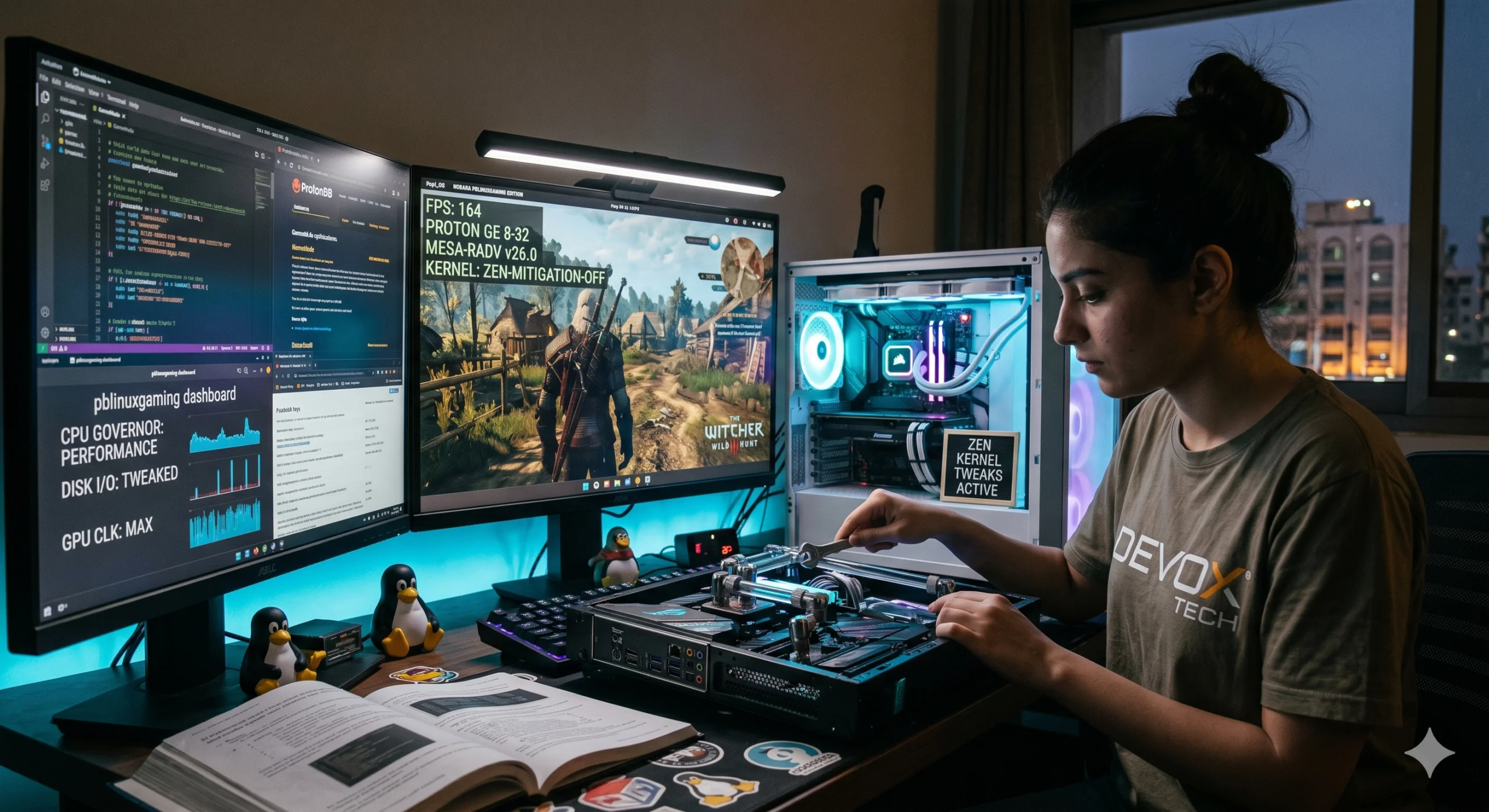

For decades, the conversation around PC gaming was dominated by a single operating system. If you wanted to play the latest triple A titles with high frame rates and stable performance, Windows was the only viable path. However, as we move through 2026, the landscape has shifted dramatically. The rise of the Steam Deck and the continuous refinement of compatibility layers like Proton have turned Linux from a niche experimental platform into a legitimate powerhouse for gamers. At the heart of this revolution is a community driven movement known for tech hacks pblinuxgaming.
These hacks aren’t about cheating or breaking the rules. Instead, they are a collection of advanced optimizations, kernel tweaks, and software configurations designed to squeeze every ounce of performance out of a Linux machine. For the dedicated enthusiast, “pblinuxgaming” represents the ultimate pursuit of aquatic like smoothness in digital motion, ensuring that the open source experience is not just equal to its competitors, but often superior.
Choosing the Right Foundation: Gaming Distros
The first and most important “hack” is selecting the right distribution. While you can technically game on almost any Linux flavor, certain versions are engineered specifically to handle the heavy demands of modern graphics engines.
- Pop!_OS: Developed by System76, this distribution is a favorite because it comes with proprietary Nvidia drivers pre installed. It handles window tiling and resource management with extreme efficiency, making it a “plug and play” dream for those who want a gaming ready environment without the manual labor.
- Nobara Project: Created by GloriousEggroll, a legendary figure in the Linux gaming community, Nobara is a modified version of Fedora. It includes numerous “under the hood” patches that fix common gaming issues before you even launch your first title.
- Arch Linux: For the true tinkerer, Arch provides a blank canvas. By using the Arch User Repository (AUR), gamers can access the absolute latest “bleeding edge” drivers and kernels, often weeks before they reach more stable distributions.
The Magic of Proton and GE Custom
Most Windows games run on Linux through a layer called Proton. While the standard version of Proton provided by Valve is excellent, the pblinuxgaming community often relies on Proton GE (GloriousEggroll).
This custom version of Proton includes specific fixes for video playback, game specific performance patches, and updated libraries that the official version might lack due to licensing restrictions. Installing a tool like ProtonUp Qt allows you to manage these custom versions with a single click. By switching to the right GE version, games that previously stuttered or refused to launch suddenly run with flawless precision.
Kernel Tweaks for Maximum Throughput
To truly optimize a Linux rig, one must go deeper than the application layer. The Linux kernel the very core of the operating system can be swapped out for high performance alternatives.
- The Zen Kernel: This is a popular choice that focuses on low latency and high responsiveness. It is specifically tuned for desktop and gaming workloads, ensuring that your CPU prioritizes your game over background system tasks.
- Disabling Mitigations: For those who are willing to sacrifice a small amount of security for raw speed, disabling CPU security mitigations can provide a notable boost in frame rates. By adding
mitigations=offto your boot parameters, you stop the processor from performing certain safety checks that traditionally slow down data processing. - CPU Governors: By default, many Linux systems try to save power. A simple tech hack is to force the CPU into “Performance Mode” using the
cpufrequtility. This ensures the processor stays at its maximum clock speed throughout your gaming session, eliminating the micro stutters caused by frequency scaling.
Graphics Optimization: Mesa and Gamemode
For those using AMD or Intel graphics, the Mesa drivers are your best friend. Keeping these drivers updated via specialized repositories ensures you are utilizing the latest Vulkan improvements.
One of the most effective tools in the pblinuxgaming toolkit is Feral GameMode. This is a small daemon that, when activated, automatically optimizes the operating system for the game you are playing. It tells the CPU to stay in performance mode, increases the priority of the game process, and can even disable screensavers or power saving features. Simply adding gamemoderun %command% to your Steam launch options is enough to trigger this suite of optimizations.
Managing the “Anti Cheat” Barrier
Historically, the biggest hurdle for Linux gamers has been kernel level anti cheat software. Many popular multiplayer titles like Valorant or League of Legends utilized security systems that were incompatible with the Linux architecture.
However, in 2026, the pblinuxgaming community has made massive strides. Many developers have now enabled support for Linux via Proton’s Easy Anti Cheat (EAC) and BattlEye modules. While some “ring 0” anti cheats remain a challenge, the vast majority of the world’s most popular games are now playable. The community maintains living databases like ProtonDB, where thousands of users share specific “hacks”such as installing a specific .dll file or changing a launch argument to get these protected games running smoothly.
The Future of the Linux Powerhouse
The tech hacks pblinuxgaming movement is a testament to the power of open source collaboration. It is a world where “it doesn’t work” is simply an invitation to find a solution. By combining custom kernels, optimized drivers, and the sheer ingenuity of the community, Linux has transformed into a platform that offers more control and often better performance than traditional closed systems.
Whether you are trying to breathe new life into an old laptop or building a cutting edge desktop with the latest hardware, these hacks provide the map for your journey. The web is moving toward a more open, transparent, and user centric future, and the Linux gaming community is leading the charge, one frame at a time.devnoxa tech