
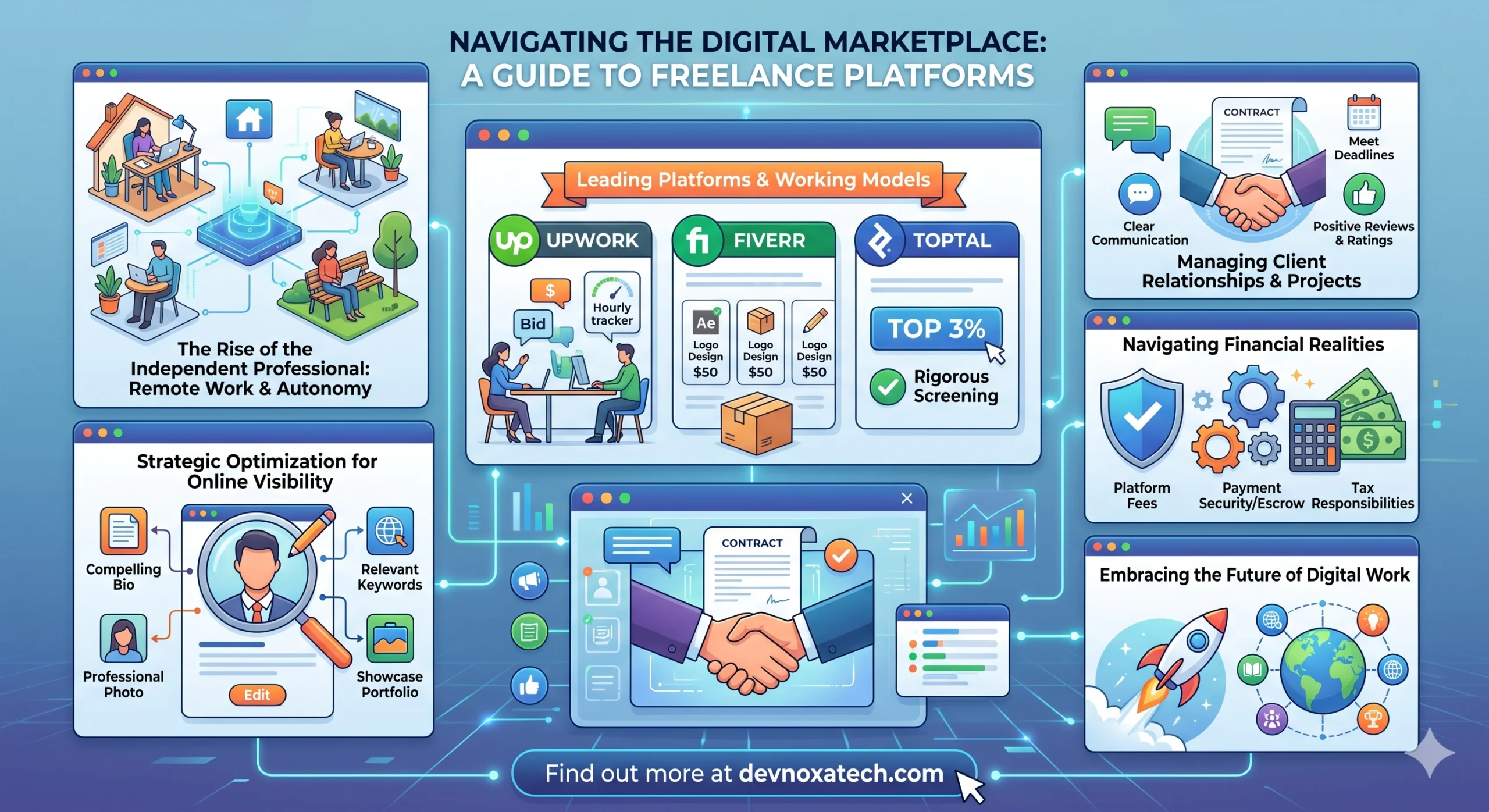

The modern workspace is no longer confined to four walls and a rigid nine to five schedule. Over the past decade, a quiet revolution has transformed how businesses hire and how professionals work. This shift is driven by freelance websites, digital marketplaces that connect global talent with businesses of all sizes. Whether you are a graphic designer in Karachi, a software developer in Berlin, or a content writer in New York, these platforms have democratized access to economic opportunities. Understanding how these ecosystems operate is essential for anyone looking to thrive in the independent workforce.
The Rise of the Independent Professional
The global economy is increasingly leaning toward flexible, project based structures. Companies face fluctuating demands and often prefer to hire specialized talent for specific tasks rather than maintaining a large full time staff. On the other side of the equation, professionals crave autonomy. The desire to choose your own hours, select projects that align with your skills, and work from any location has made freelancing an attractive career path.
Freelance websites serve as the infrastructure for this entire movement. They eliminate the geographical barriers that once restricted job searches, allowing a small business in Europe to seamlessly collaborate with a digital marketer in Asia. This borderless exchange of value has turned remote work from a luxury into a standard business practice.
Leading Platforms and Working Models
Not all freelance websites are created equal. They generally fall into distinct categories based on their operational models and the types of contracts they facilitate. Choosing the right platform depends entirely on your industry, experience level, and preferred way of working.
Upwork stands as one of the largest and most comprehensive marketplaces in the world. It operates on a traditional bidding system. Clients post detailed job descriptions, and freelancers submit proposals along with their rates and portfolios. The platform accommodates both hourly contracts, tracked via specialized software, and fixed price milestones. This model gives freelancers immense control over their pricing but requires a significant amount of time dedicated to writing tailored pitches and competing with other professionals.
Fiverr approaches the marketplace from a different angle. Instead of searching for jobs, freelancers create pre packaged services called gigs. Clients browse these listings like an e commerce store and purchase the package that fits their needs. This setup flips the traditional dynamic, shifting the burden of outreach from the freelancer to the client. It is highly effective for standardized services like logo design, voiceovers, or quick proofreading tasks, allowing creators to scale their income through sheer volume and add ons.
Toptal represents an exclusive tier of the market. Catering primarily to software developers, designers, and finance experts, Toptal rigorously screens applicants through technical testing and communication assessments. They claim to accept only the top three percent of freelance talent. While the barrier to entry is high, the reward is access to premium, high paying clients and enterprise projects without the race to the bottom price wars common on more open platforms.
Strategic Optimization for Online Visibility
Success on any freelance platform is not just about having technical expertise; it requires digital marketing skills to sell that expertise. Your profile functions as a continuous sales page, and optimizing it is crucial for standing out in a crowded marketplace.
A compelling title and an articulate bio are the foundation of a great profile. Instead of listing generic skills, focus on the specific problems you solve for clients. Use clear language and industry relevant keywords to ensure your profile appears when clients search for specific services. A clear, professional photograph also builds immediate trust in a virtual environment.
Your portfolio is your strongest asset. Even if you are just starting out, creating mock projects or displaying sample work can demonstrate your capabilities effectively. Case studies that explain the initial problem, your creative process, and the final positive outcome carry much more weight than simple images or uncontextualized text blocks.
Managing Client Relationships and Projects
Securing a project is only the first step. Long term success on freelance platforms depends heavily on client retention and positive reviews, which act as the lifeblood of your digital reputation. Most websites use algorithmic rating systems, meaning a string of poor reviews can severely diminish your visibility.
Clear communication is vital. Establish realistic expectations regarding deadlines and deliverables from the very beginning. It is always better to under promise and over deliver than to miss a deadline due to overconfidence. regular updates keep clients informed and ease the anxieties associated with managing remote teams.
Handling feedback constructively is equally critical. Not every project will go perfectly, but a professional attitude when revisions are requested can turn a challenging situation into a loyal, long term business partnership. Treat every message as an opportunity to showcase your professionalism and reliability.
Navigating the Financial Realities
Freelancing offers immense freedom, but it also introduces financial responsibilities that traditional employment covers. On freelance platforms, you act as your own accounting, billing, and legal department.
Most platforms charge service fees, usually taking a percentage of your earnings. It is essential to factor these deductions, alongside local taxes, into your overall pricing strategy so you do not undercharge for your labor. Additionally, income can be unpredictable, with busy periods followed by quieter spells. Building a financial buffer is a wise step to maintain stability during natural market fluctuations.
Security is one major benefit of using established platforms. Features like escrow services ensure that a client deposits funds before work begins, protecting freelancers from non payment. While the platform fees can seem high, the peace of mind and payment security they offer are often worth the investment.
Embracing the Future of Digital Work
The freelance landscape is constantly evolving, driven by rapid advancements in collaborative software and changing corporate attitudes toward remote talent. As businesses continue to integrate external professionals into their core operations, the demand for highly skilled independent workers will only grow.
Thriving in this environment requires adaptability and a commitment to continuous learning. Staying updated on industry trends, learning new tools, and refining your remote communication skills will keep you competitive over the long term. Freelance websites are not just temporary job boards; they are powerful gateways to building a sustainable, independent business on your own terms.
To explore advanced digital solutions and technical expertise designed to help your business grow in the modern economy, visit devnoxa tech