

For decades, the golden rule of real estate never changed: location, location, location. While physical geography still matters, a massive shift is occurring. In 2026, the industry is adjusting to a brand new rule: intelligence, intelligence, intelligence.
The real estate technology sector, widely known as proptech, is moving out of its experimental phase and becoming the primary core infrastructure of the market. What used to be considered luxury features, like automated property systems or virtual walkthroughs, are now standard expectations. This rapid shift is entirely reshaping how people buy, sell, manage, and invest in properties.
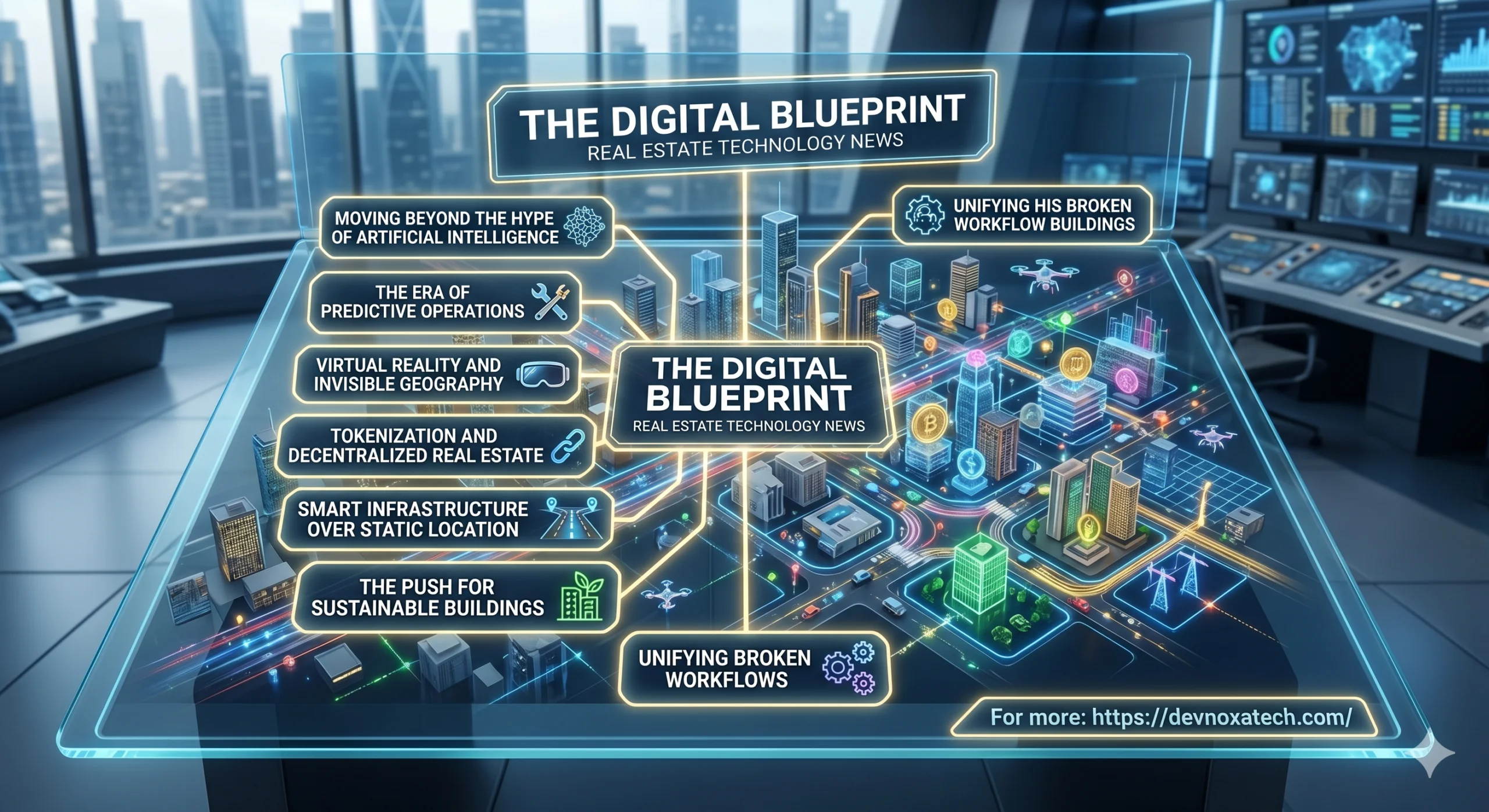
Moving Beyond the Hype of Artificial Intelligence
In recent years, artificial intelligence dominated real estate headlines, but it often felt more like a marketing buzzword than a practical tool. Today, the industry has officially moved past the initial hype. Real estate leaders are aggressively filtering out shallow, basic software and focusing purely on platforms that deliver a tangible return on investment.
The biggest story in 2026 is the rise of agentic artificial intelligence. Unlike simple chat software that merely responds to basic prompts, these advanced systems act as digital teammates. They operate autonomously to execute complicated workflows toward specific goals.
For example, instead of an agent spending hours manually looking through listings, an intelligence agent can scan thousands of properties in seconds, run a deep financial analysis, check municipal zoning records, and flag potential risks before a human even opens a laptop.
The Era of Predictive Operations
Property management is experiencing a major transformation through the mix of artificial intelligence and the Internet of Things, which refers to networks of physical objects embedded with sensors. Modern building management is no longer reactive. Property managers do not wait for a tenant to call about a broken cooling system or a leaking pipe.
Instead, predictive analytics systems track real-time performance data across entire property portfolios. These smart systems can detect the microscopic vibrations or unusual energy spikes that signal early equipment wear. By scheduling maintenance before a total breakdown happens, operational costs drop by twenty to thirty percent.
Furthermore, traditional quarterly appraisals are being replaced by live, continuous property valuations. By processing live local market indicators, neighborhood traffic patterns, and economic shifts, algorithms can value assets within a tight five percent accuracy margin at any given moment.
Virtual Reality and Invisible Geography
The physical site visit is no longer the automatic first step in a property search. Immersive technologies, including highly detailed 360-degree digital walkthroughs and interactive virtual reality master plans, have matured completely. They are removing geographical barriers for buyers and international investors alike.
This technology goes well beyond simple video tours. Buyers can now virtually walk through buildings that are still months away from breaking ground. They can change interior finishes, test different lighting setups based on the actual time of day, and view the precise sightlines from a future twentieth-floor balcony.
For developers, these digital tools are saving massive amounts of upfront marketing capital while speeding up the pre-leasing phase. It allows them to secure commitments from tenants and buyers long before concrete is poured.
Tokenization and Decentralized Real Estate
High financial barriers to entry and complex legal frameworks have historically locked regular individuals out of lucrative commercial real estate investments. Blockchain technology is finally changing that dynamic at scale through real estate tokenization.
Tokenization breaks down a massive physical asset, like a one hundred million dollar apartment complex or a downtown office building, into digital fractions or tokens. Investors can buy into these premium properties for as little as one hundred dollars rather than needing hundreds of thousands in capital.
Smart contracts, which are self-executing digital agreements hardcoded onto the blockchain, automate the tedious compliance processes, background checks, and monthly dividend distributions. This tech cuts traditional transaction fees by up to sixty percent while creating an entirely new pool of global liquidity for developers looking to fund complex projects.
Smart Infrastructure Over Static Location
As urban centers expand, infrastructure intelligence is gradually overtaking traditional location intelligence. Historically, buyers evaluated a property based solely on what existed around it at that exact moment. Today, advanced data platforms analyze vast future pipelines, including upcoming metro lines, planned expressways, airport expansions, and corporate logistical hubs.
By synthesizing these complex data layers, predictive software helps investors spot emerging high-growth corridors years before they become mainstream news. This shifts the focus from buying in an already established, expensive neighborhood to securely purchasing in an area destined for future growth.
The Push for Sustainable Buildings
Environmental, social, and governance compliance is no longer just a legal box for corporations to check. It has become a core driver of property valuation. Buildings currently contribute a staggering forty percent of global carbon emissions, prompting strict new regulations alongside shifts in tenant demand.
Smart property platforms now utilize advanced sensors to monitor energy usage, indoor air quality, and spatial utilization metrics continuously. Properties equipped with verified smart green certifications are commanding seven to ten percent higher rents and achieving much higher retention rates. Tenants genuinely want to occupy buildings that dynamically optimize their own carbon footprint, adjust lighting based on natural daylight, and actively protect indoor air quality.
Unifying Broken Workflows
Historically, the real estate journey was incredibly fragmented. A buyer used one platform to search for a home, another company for financial pre-approval, a separate legal entity for title verification, and a completely different manager for post-purchase coordination.
The current market is rapidly consolidating these separate point solutions into massive, unified digital ecosystems. Modern real estate platforms aim to handle everything seamlessly under one interface. Users can navigate from initial discovery to final electronic signature and secure digital payment without ever leaving a single application. This reduction in friction is precisely what today’s tech-savvy consumers demand.
Navigating the Future Landscape
As tech continues to rewrite the rules of real estate, the ultimate winners will not be those who blindly chase every new digital trend. Success belongs to the companies that build clean data infrastructure, prioritize the actual user experience, and successfully merge technological efficiency with genuine human relationships.
The real estate industry is firmly moving from brokers to algorithms, from basic intuition to structured intelligence, and from simple transactions to comprehensive digital experiences. Embracing this evolution is the only way to build a resilient portfolio for the road ahead.
To learn more about cutting-edge digital development and tech solutions, visit devnoxa tech