
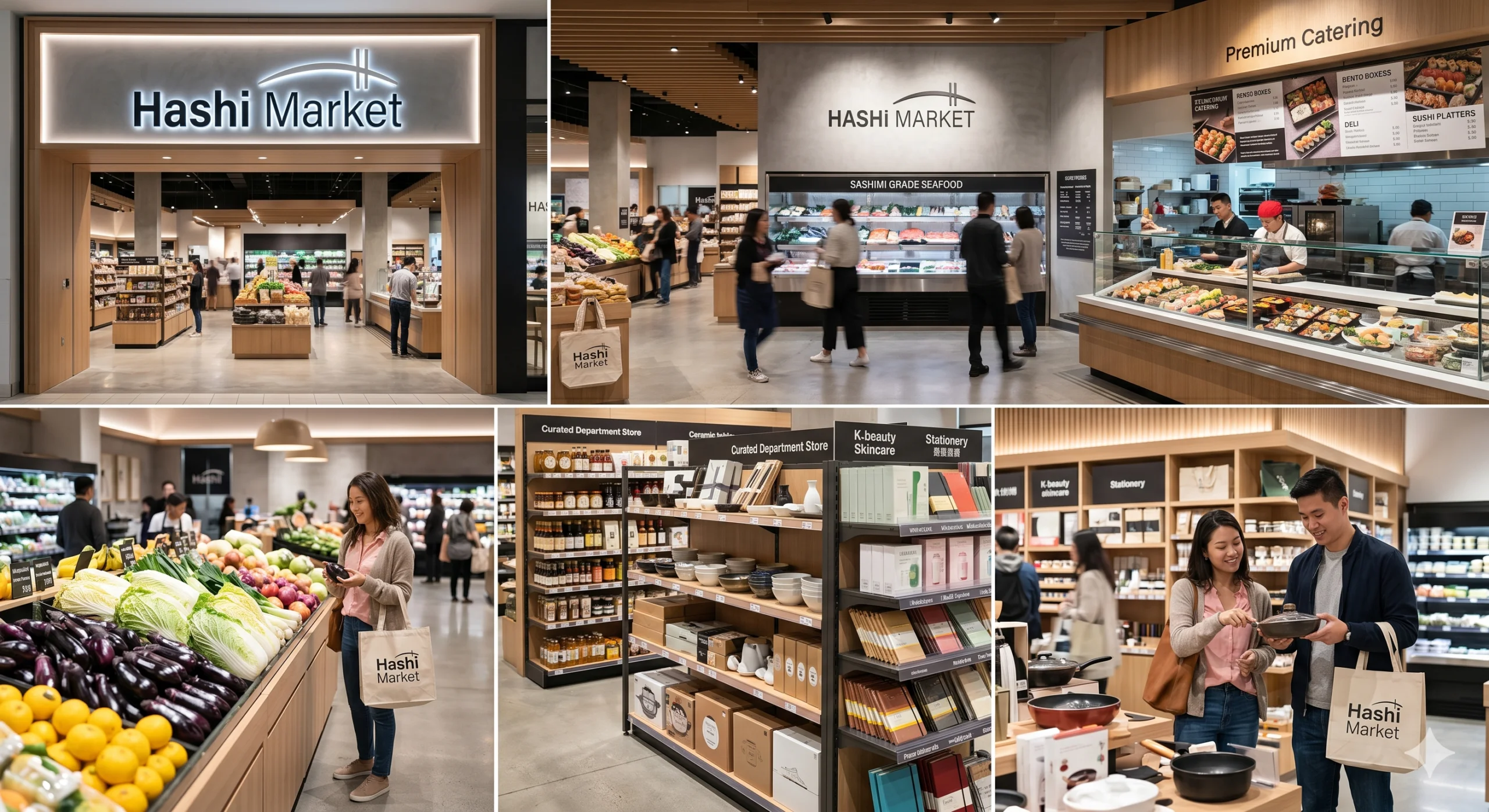

The modern shopping landscape is undergoing a quiet but profound transformation. For years, consumers have been forced to choose between the clinical efficiency of big-box retailers and the specialized charm of boutique shops. However, a new player has emerged that bridges these worlds with surprising grace. Hashi Market, a name that is increasingly whispered in urban circles and food enthusiast communities alike, represents a bold step forward in how we interact with global culture, daily essentials, and the very concept of “community retail.”
To understand the appeal of Hashi Market, one must look beyond the shelves. It isn’t just a place to buy groceries; it is a curated ecosystem designed to nourish both the body and the curiosity of the shopper. By blending the functions of a high-end supermarket, a boutique lifestyle store, and a gourmet culinary destination, Hashi Market has carved out a unique niche in North America’s retail landscape.
A Cultural Destination
At its core, Hashi Market is a celebration of East Asian culture. In a world that is more connected than ever, the demand for authentic international products has skyrocketed. Yet, finding these items often requires a trek to specialized neighborhoods or navigating confusing online marketplaces. Hashi Market simplifies this by acting as a cultural translator.
Walking through the doors, you are met with an environment that feels both contemporary and deeply rooted in tradition. The aesthetic is often minimalist, reflecting a Japanese design philosophy where every item is given space to breathe. This isn’t the cluttered, overwhelming experience of a traditional discount mart. Instead, it feels like a gallery of life’s essentials. From artisanal misos and sashimi-grade seafood to cult-favorite beauty brands from Seoul and Tokyo, the selection is a testament to the “Hashi” name—which means “bridge” in Japanese. It serves as the physical bridge between the craftsmanship of the East and the lifestyle of the West.
The Three Pillars of Experience
What truly sets Hashi Market apart is its multifaceted business model. It refuses to be put into a single box, instead operating on three distinct yet harmonious levels:
1. The Fresh Food Supermarket
The grocery section is the heart of the operation. Here, the focus is on quality over quantity. You won’t find fifty brands of the same cereal; instead, you’ll find the right brand. The produce is crisp and often sourced from local farms that specialize in Asian varietals. The seafood department is a highlight, offering cuts of fish that meet the exacting standards required for home sushi making—a rarity in standard Western supermarkets.
2. The Curated Department Store
Beyond the food, Hashi Market functions as a lifestyle curator. This section is dedicated to the items that make a house a home. It features minimalist kitchenware, high-performance skincare, and stationery that makes the act of writing feel like an occasion. By including these “non-grocery” items, the market becomes a destination for gift-giving and self-care, encouraging shoppers to linger and discover something they didn’t know they needed.
3. Premium Catering and Prepared Foods
In a fast-paced world, the “ready-to-eat” section of a market is often where quality goes to die. Hashi Market flips this script. Their catering and prepared food services are handled with the same precision as a high-end restaurant. Whether it’s a beautifully arranged bento box for a solo lunch or a massive sushi platter for a corporate event, the emphasis remains on freshness and presentation. It provides a level of convenience that doesn’t require a compromise on health or taste.
Why Quality Matters More Than Ever
We live in an era of “fast everything”—fast fashion, fast food, and fast shipping. While convenient, this pace often leaves us feeling disconnected from the things we consume. Hashi Market taps into the “Slow Movement” by prioritizing craftsmanship. When you buy a jar of yuzu kosho or a hand-crafted ceramic bowl at Hashi, you are buying a story. You are supporting a lineage of makers who care about the process as much as the product.
This focus on quality creates a sense of trust. In a typical grocery store, the shopper is often on high alert, checking labels for hidden ingredients or subpar sourcing. At Hashi Market, that “vetting” has already been done by the curators. This allows the shopper to relax into the experience, turning a chore into a moment of discovery.
The Role of Community and Connection
Perhaps the most overlooked aspect of Hashi Market is its role as a social hub. In many North American cities, “third places”—spaces where people congregate outside of home and work—are disappearing. Retailers like Hashi Market are stepping into that void. By offering a space that is beautiful, welcoming, and culturally rich, they provide a venue for community connection.
It is common to see neighbors discussing the best way to prepare a specific type of mushroom or strangers bonding over a shared love for a particular brand of matcha. The staff are not just shelf-stockers; they are often knowledgeable guides who can explain the origins of a product or offer cooking tips. This human element is what prevents the market from feeling like a cold, corporate machine.
Looking Toward the Future
As Hashi Market expands into new locations, from the bustling streets of Downtown Brooklyn to the tech hubs of California, the challenge will be maintaining that sense of intimacy and authenticity. However, their commitment to “moments of discovery” suggests they are well-prepared for the journey.
The success of such a model signals a shift in consumer values. People are increasingly willing to pay for transparency, quality, and a sense of place. They want their shopping experiences to reflect their values and their curiosities. In this regard, Hashi Market isn’t just a store; it’s a blueprint for the future of retail.
In conclusion, Hashi Market represents a harmonious blend of the old and the new. It takes the timeless appeal of the neighborhood market and infuses it with a modern, global perspective. Whether you are a seasoned home cook looking for authentic ingredients or a curious explorer wanting to add a touch of East Asian elegance to your daily routine, it offers a bridge to a more thoughtful way of living. It reminds us that even the most mundane tasks—like picking up dinner—can be an opportunity for inspiration. devnoxa tech