
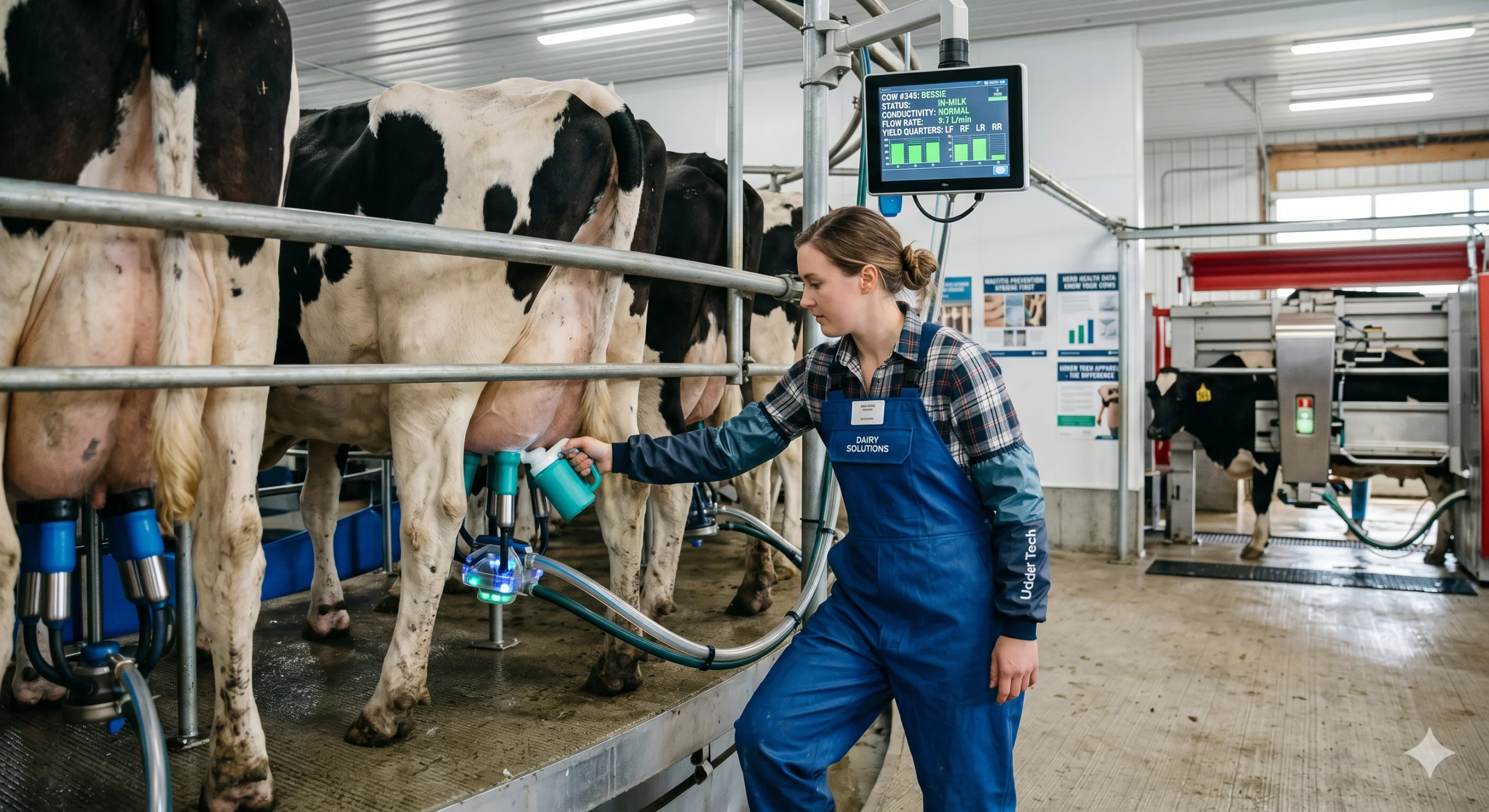

The dairy industry has undergone a massive transformation over the last few decades. What was once a labour intensive process defined by manual chores and basic equipment has evolved into a sophisticated operation where technology and specialised gear play a central role. At the heart of this evolution is the concept of ‘udder tech‘, a term that encompasses both the specialised clothing worn by dairy professionals and the advanced equipment used to ensure the health of the herd and the quality of the milk. For anyone involved in the daily operations of a dairy farm, understanding the importance of high quality gear and technical solutions is not just about comfort; it is about hygiene, efficiency, and animal welfare.
The Evolution of Dairy Workwear
When people think of farming, they often picture heavy denim and traditional overalls. However, the dairy environment is unique. It is a world characterised by moisture, high humidity, and constant exposure to organic matter. In this setting, traditional fabrics fail quickly. They become heavy when wet, trap bacteria, and offer little protection against the specialised chemicals used in the milking parlour.
This is where specialised udder tech apparel comes into play. Modern dairy workwear is designed with a specific purpose in mind: keeping the milker dry and clean. This is achieved through the use of waterproof, breathable fabrics that allow sweat to escape while preventing water and milk from soaking through to the skin. Items like waterproof milking aprons, bibbed overalls, and specialised sleeves have become the standard. These garments are often treated with antimicrobial coatings to prevent the growth of bacteria, which is crucial in a setting where cross contamination can lead to herd wide health issues like mastitis. By investing in professional grade apparel, dairy workers can remain comfortable through long shifts, reducing physical fatigue and improving overall performance.
Precision Milking Technology
Beyond the clothing, the term ‘udder tech’ refers to the revolutionary hardware used in the milking process. The goal of modern milking technology is to mimic the natural suckling of a calf as closely as possible while maintaining a sterile environment. This involves a complex system of vacuum pumps, pulsators, and liners.
The liner is perhaps the most critical piece of tech in the parlour. It is the only part of the milking machine that comes into direct contact with the cow’s skin. Modern liners are engineered with precision to provide a gentle but effective massage to the teat, promoting milk letdown without causing irritation. Advanced sensors are now integrated into many milking systems to monitor the flow of milk in real time. If a sensor detects a change in conductivity or temperature, it can alert the farmer to a potential infection long before physical symptoms appear. This proactive approach to udder health is a game changer for the industry, allowing for earlier intervention and a significant reduction in the use of antibiotics.
Hygiene and Sanitation Protocols
In the world of dairy, cleanliness is everything. The “tech” in udder health extends to the chemical formulations and delivery systems used for pre milking and post milking teat dips. These products are designed to kill pathogens on contact while conditioning the skin to prevent cracking or dryness.
Technological advancements have led to the creation of automated teat dipping systems and foaming applicators that ensure consistent coverage every single time. By automating this process, farms can eliminate human error, ensuring that every cow is protected against environmental bacteria. Furthermore, the development of biodegradable and eco friendly sanitisers shows that the industry is moving toward a more sustainable future. Proper sanitation technology is the first line of defence in maintaining a low somatic cell count, which is the primary indicator of milk quality and herd health.
The Rise of Robotic Milking Systems
Perhaps the most significant leap in udder tech is the move toward voluntary milking systems, commonly known as robotic milkers. In these systems, the cow decides when she wants to be milked. When she enters the robot, laser guided arms identify the teats, clean them, and attach the milking cups with incredible precision.
The data gathered by these machines is staggering. A robotic system can track the milk yield of each individual quarter of the udder, the time it takes for the cow to let down her milk, and even the nutritional components of the milk itself. This allows farmers to manage their herd on a cow by cow basis rather than as a single group. If a specific cow shows a drop in production or a change in milk quality, the system sends an immediate notification to the farmer’s smartphone. This level of oversight was impossible a generation ago and represents the pinnacle of modern dairy management.
Comfort as a Catalyst for Production
One of the core philosophies behind the latest udder tech is the idea that a comfortable cow is a productive cow. Technology has moved beyond the parlour and into the stalls. Automated cow brushes, climate controlled ventilation systems, and specialised bedding materials all contribute to the overall well being of the animal.
When a cow is stressed or uncomfortable, her body produces cortisol, which can inhibit milk production. By using tech to monitor stall comfort and environmental factors, farmers can create an optimal living space. Even the design of the flooring in the milking parlour has seen technological updates, with rubber matting designed to reduce strain on the cow’s joints and hooves during the milking process. These small details, backed by scientific research, lead to longer, healthier lives for the animals and more sustainable operations for the farm.
The Future of Dairy Tech
As we look toward the future, the integration of artificial intelligence and wearable tech for livestock is set to redefine the industry once again. Smart collars and ear tags can now monitor a cow’s rumination patterns, activity levels, and even her reproductive cycle. When this data is integrated with the information from the milking parlour, it creates a holistic view of the animal’s health.
We are also seeing the development of more advanced diagnostic tools that can be used at the “point of cow”. Portable devices that can test milk for specific pathogens in minutes rather than days allow for even more targeted treatments. This focus on precision medicine reduces waste and ensures that only the cows that truly need medical attention receive it.
Conclusion: A Seamless Blend of Man and Machine
The world of udder tech is a testament to human ingenuity and our commitment to animal stewardship. From the high tech fabrics that protect the workers to the robotic systems that care for the cows, every innovation is aimed at creating a safer, cleaner, and more efficient dairy environment. For the modern farmer, staying up to date with these advancements is not a luxury; it is a necessity for survival in a competitive global market.
By embracing these tools, the dairy industry continues to prove that it can adapt to the challenges of the 21st century. The result is a system that produces high quality food while prioritising the health of the animal and the well being of the human hands that make it all possible. The journey of a drop of milk from the farm to the table is now supported by a vast network of technology, ensuring that the ancient tradition of dairying remains a modern marvel. Innovation in the Barn: The Essential Guide to Udder Tech
The dairy industry has undergone a massive transformation over the last few decades. What was once a labour intensive process defined by manual chores and basic equipment has evolved into a sophisticated operation where technology and specialised gear play a central role. At the heart of this evolution is the concept of ‘udder tech’, a term that encompasses both the specialised clothing worn by dairy professionals and the advanced equipment used to ensure the health of the herd and the quality of the milk. For anyone involved in the daily operations of a dairy farm, understanding the importance of high quality gear and technical solutions is not just about comfort; it is about hygiene, efficiency, and animal welfare.
The Evolution of Dairy Workwear
When people think of farming, they often picture heavy denim and traditional overalls. However, the dairy environment is unique. It is a world characterised by moisture, high humidity, and constant exposure to organic matter. In this setting, traditional fabrics fail quickly. They become heavy when wet, trap bacteria, and offer little protection against the specialised chemicals used in the milking parlour.
This is where specialised udder tech apparel comes into play. Modern dairy workwear is designed with a specific purpose in mind: keeping the milker dry and clean. This is achieved through the use of waterproof, breathable fabrics that allow sweat to escape while preventing water and milk from soaking through to the skin. Items like waterproof milking aprons, bibbed overalls, and specialised sleeves have become the standard. These garments are often treated with antimicrobial coatings to prevent the growth of bacteria, which is crucial in a setting where cross contamination can lead to herd wide health issues like mastitis. By investing in professional grade apparel, dairy workers can remain comfortable through long shifts, reducing physical fatigue and improving overall performance.
Precision Milking Technology
Beyond the clothing, the term ‘udder tech’ refers to the revolutionary hardware used in the milking process. The goal of modern milking technology is to mimic the natural suckling of a calf as closely as possible while maintaining a sterile environment. This involves a complex system of vacuum pumps, pulsators, and liners.
The liner is perhaps the most critical piece of tech in the parlour. It is the only part of the milking machine that comes into direct contact with the cow’s skin. Modern liners are engineered with precision to provide a gentle but effective massage to the teat, promoting milk letdown without causing irritation. Advanced sensors are now integrated into many milking systems to monitor the flow of milk in real time. If a sensor detects a change in conductivity or temperature, it can alert the farmer to a potential infection long before physical symptoms appear. This proactive approach to udder health is a game changer for the industry, allowing for earlier intervention and a significant reduction in the use of antibiotics.
Hygiene and Sanitation Protocols
In the world of dairy, cleanliness is everything. The “tech” in udder health extends to the chemical formulations and delivery systems used for pre milking and post milking teat dips. These products are designed to kill pathogens on contact while conditioning the skin to prevent cracking or dryness.
Technological advancements have led to the creation of automated teat dipping systems and foaming applicators that ensure consistent coverage every single time. By automating this process, farms can eliminate human error, ensuring that every cow is protected against environmental bacteria. Furthermore, the development of biodegradable and eco friendly sanitisers shows that the industry is moving toward a more sustainable future. Proper sanitation technology is the first line of defence in maintaining a low somatic cell count, which is the primary indicator of milk quality and herd health.
The Rise of Robotic Milking Systems
Perhaps the most significant leap in udder tech is the move toward voluntary milking systems, commonly known as robotic milkers. In these systems, the cow decides when she wants to be milked. When she enters the robot, laser guided arms identify the teats, clean them, and attach the milking cups with incredible precision.
The data gathered by these machines is staggering. A robotic system can track the milk yield of each individual quarter of the udder, the time it takes for the cow to let down her milk, and even the nutritional components of the milk itself. This allows farmers to manage their herd on a cow by cow basis rather than as a single group. If a specific cow shows a drop in production or a change in milk quality, the system sends an immediate notification to the farmer’s smartphone. This level of oversight was impossible a generation ago and represents the pinnacle of modern dairy management.
Comfort as a Catalyst for Production
One of the core philosophies behind the latest udder tech is the idea that a comfortable cow is a productive cow. Technology has moved beyond the parlour and into the stalls. Automated cow brushes, climate controlled ventilation systems, and specialised bedding materials all contribute to the overall well being of the animal.
When a cow is stressed or uncomfortable, her body produces cortisol, which can inhibit milk production. By using tech to monitor stall comfort and environmental factors, farmers can create an optimal living space. Even the design of the flooring in the milking parlour has seen technological updates, with rubber matting designed to reduce strain on the cow’s joints and hooves during the milking process. These small details, backed by scientific research, lead to longer, healthier lives for the animals and more sustainable operations for the farm.
The Future of Dairy Tech
As we look toward the future, the integration of artificial intelligence and wearable tech for livestock is set to redefine the industry once again. Smart collars and ear tags can now monitor a cow’s rumination patterns, activity levels, and even her reproductive cycle. When this data is integrated with the information from the milking parlour, it creates a holistic view of the animal’s health.
We are also seeing the development of more advanced diagnostic tools that can be used at the “point of cow”. Portable devices that can test milk for specific pathogens in minutes rather than days allow for even more targeted treatments. This focus on precision medicine reduces waste and ensures that only the cows that truly need medical attention receive it.
Conclusion: A Seamless Blend of Man and Machine
The world of udder tech is a testament to human ingenuity and our commitment to animal stewardship. From the high tech fabrics that protect the workers to the robotic systems that care for the cows, every innovation is aimed at creating a safer, cleaner, and more efficient dairy environment. For the modern farmer, staying up to date with these advancements is not a luxury; it is a necessity for survival in a competitive global market.
By embracing these tools, the dairy industry continues to prove that it can adapt to the challenges of the 21st century. The result is a system that produces high quality food while prioritising the health of the animal and the well being of the human hands that make it all possible. The journey of a drop of milk from the farm to the table is now supported by a vast network of technology, ensuring that the ancient tradition of dairying remains a modern marvel. devnoxa tech