
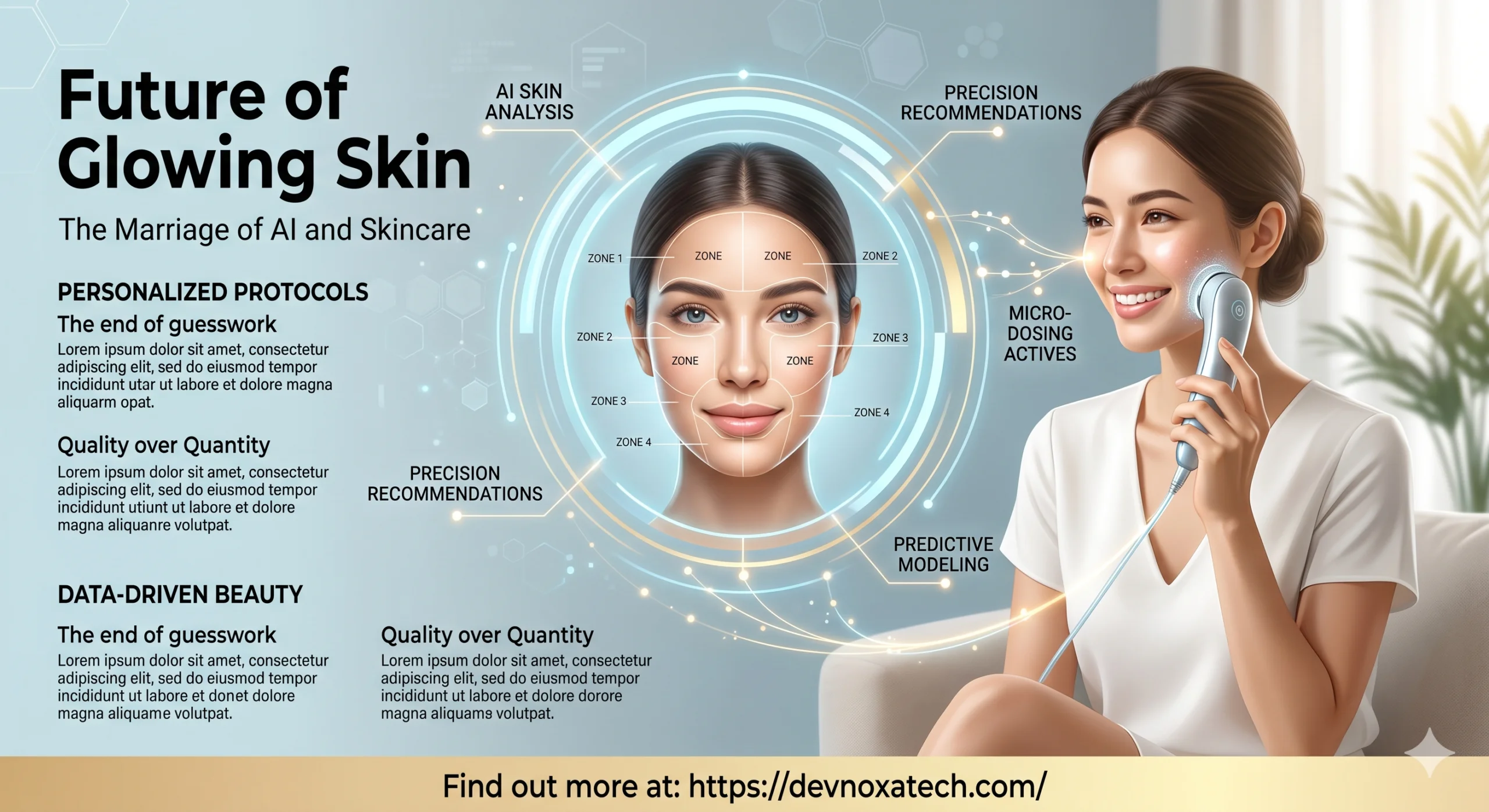

The pursuit of perfect skin has always felt like a game of trial and error. We spend years cycling through “miracle” serums and expensive moisturizers, often with little to show for it but a cluttered bathroom cabinet and a slightly compromised skin barrier. However, as we move through 2026, the landscape of beauty is shifting. We are moving away from the era of “one size fits all” and entering the age of high-precision,skincare tips ai technology
Artificial intelligence is no longer just a buzzword for tech enthusiasts; it has become the ultimate beauty assistant. By leveraging data, machine learning, and advanced imaging, AI is helping us understand our skin better than any magnifying mirror ever could. Here is how you can use this technology to transform your routine and achieve the healthiest skin of your life.
The End of Guesswork
The most significant hurdle in skincare has always been diagnosis. Is your skin actually oily, or is it just dehydrated and overproducing oil to compensate? Is that redness a temporary irritation or the beginning of rosacea? In the past, you needed an expensive dermatologist appointment to find out.
Today, AI-powered skin analysis tools are available right on your smartphone. By analyzing a high-resolution selfie, these algorithms can detect microscopic changes in texture, pore size, pigmentation, and even “invisible” sun damage beneath the surface. These tools don’t just look at where your skin is today; they use predictive modeling to show where it might be in five years if you don’t start using SPF or antioxidants now. This data-driven approach removes the emotional fatigue of “hoping” a product works and replaces it with the confidence of knowing it is necessary.
Hyper-Personalization Over Trends
We have all been tempted by a viral product on social media, only to find it causes us to break out or feel tight and dry. AI is effectively ending the “influencer-led” purchase by introducing hyper-personalized recommendations.
Modern skincare platforms now sync with your local weather data, pollution levels, and even your wearable fitness tracker to adjust your routine in real-time. For example, if your AI assistant detects a spike in local UV levels and notices you haven’t been sleeping well based on your health data, it might suggest a heavier dose of vitamin C and a more soothing, barrier-repairing cream for that evening. This “living routine” evolves with you, ensuring your skin gets exactly what it needs based on your current environment, not just your general skin type.
Smart Devices at Home
The tech revolution isn’t staying inside your phone; it is moving into your handheld devices. We are seeing a surge in “smart” beauty tools that communicate directly with apps.
- AI-Enhanced LED Masks: Instead of a generic light treatment, these masks use sensors to identify areas of inflammation or acne and adjust the wavelength intensity specifically for those zones.
- Precision Micro-Dosing: New dispensers can mix custom serums on your vanity. After a quick scan of your face, the device dispenses a specific ratio of actives—perhaps a bit more retinol for your forehead and more hyaluronic acid for your cheeks—creating a fresh, bespoke treatment every single morning.
- Smart Mirrors: These act as a daily dashboard, tracking your progress over weeks and months. They can tell you if your new dark spot corrector is actually working by measuring pigment density over time, allowing you to ditch products that aren’t performing.
Quality Over Quantity
One of the best “hacks” AI has provided is the rise of “Skinimalism.” Because AI can pinpoint exactly which ingredients your skin needs, the days of the ten-step routine are fading. We are learning that flooding the skin with too many actives often leads to sensitivity and “inflammaging.”
AI helps identify the three or four powerhouse ingredients that will do the heavy lifting for your specific DNA and lifestyle. This not only saves you money but also protects your skin’s microbiome. By focusing on “smarter” products—multifunctional formulas that hydrate, protect, and repair simultaneously—you give your skin the space it needs to breathe and heal.
The Human Element
While AI provides the data, the goal remains deeply human: feeling comfortable and confident in your own skin. Technology is simply the bridge that gets us there faster and with fewer mistakes. It allows us to stop fighting against our skin and start working with it.
As we look forward, the marriage of biology and technology will only get stronger. We are seeing biotech-engineered ingredients that are more stable and effective, guided by AI to ensure they penetrate the skin exactly where they are needed most. The future of skincare isn’t about chasing youth; it is about achieving longevity and health through precision.
By embracing these tools, you aren’t just buying another bottle of lotion. You are investing in a scientific understanding of your own body. So, the next time you feel overwhelmed by the endless aisles of beauty products, remember that the answer is likely sitting in your pocket, ready to scan, analyze, and guide you toward your best glow yet. devnoxa tech