
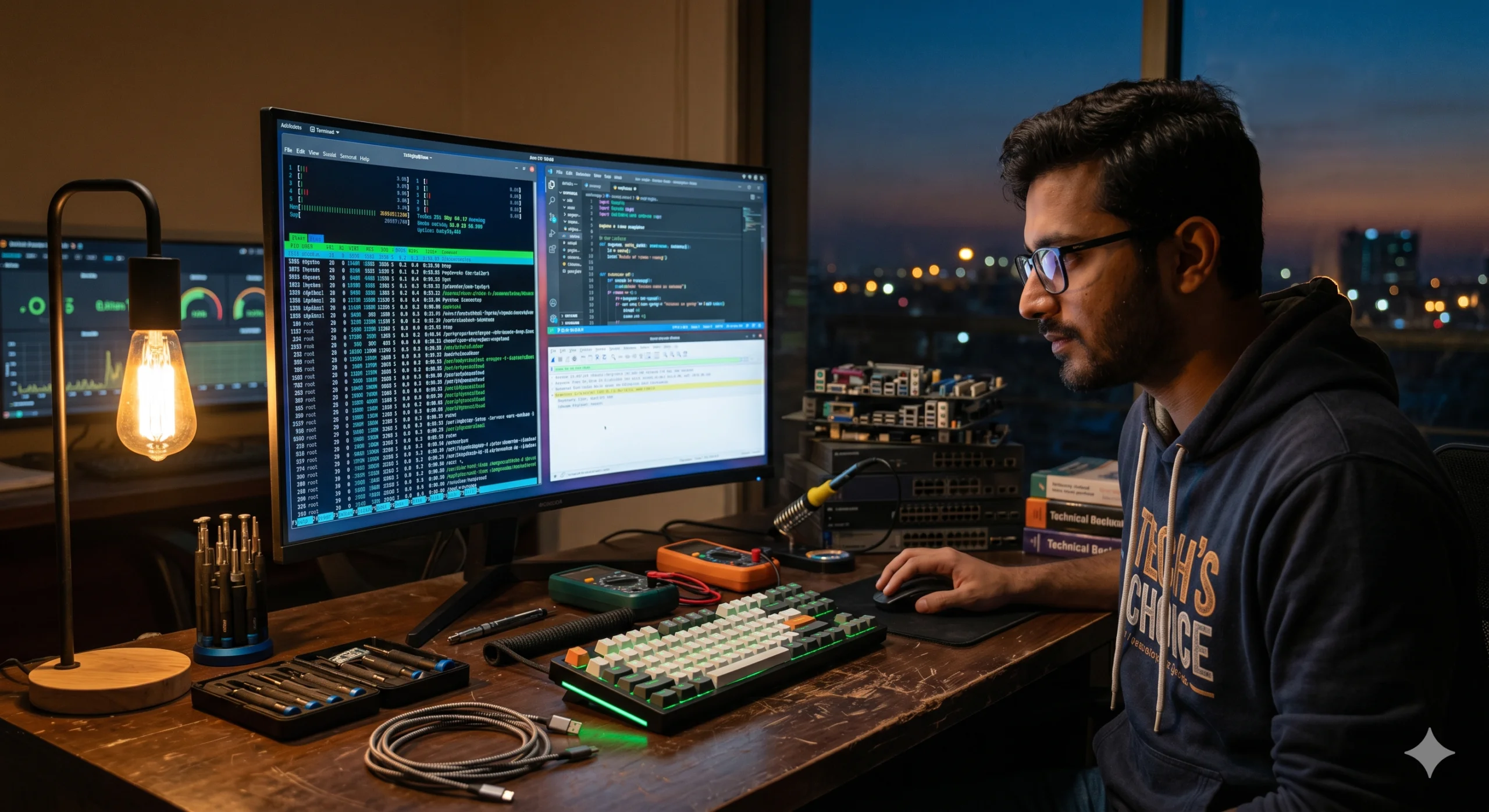

The digital landscape of 2026 is defined by an overwhelming abundance of software, hardware, and specialized utilities. For the modern IT professional, system administrator, or software developer, the challenge is no longer finding a tool that works; it is finding the “Tech’s Choice” those elite instruments that offer the perfect balance of reliability, efficiency, and power.
Whether you are a seasoned engineer or a rising tech enthusiast, your “kit” defines your workflow. This guide explores the essential categories and specific tools that have become the gold standard for industry experts this year.
The Evolution of the Tech Stack
In the past, a technician’s choice of tools was limited to physical hardware screwdrivers, multimeters, and crimping tools. While physical maintenance remains a core part of the field, the modern tech stack is predominantly virtual. We are living in an era where automation and cloud native utilities reign supreme. A tech’s choice today is often dictated by how well a tool integrates with a wider ecosystem, its “weight” on system resources, and its ability to solve complex problems with minimal friction.
Code and Content: The Modern Editors
For anyone working in development or content management, the editor is the home base. In 2026, Visual Studio Code (VS Code) continues to be the dominant choice for most professionals. Its modular nature allows it to be whatever the user needs it to be.
However, we are seeing a significant shift toward AI integrated environments. Techs are increasingly moving to editors like Cursor, which natively integrates large language models to help write, debug, and refactor code in real time. This isn’t just about autocomplete anymore; it’s about a collaborative partnership between the human and the machine. For those who prefer a more traditional, high performance experience, Neovim remains the cult favorite for its lightning fast speed and terminal based efficiency.
Networking and Security Diagnostics
Maintaining the integrity of a network is a high stakes game. When things go wrong, techs reach for tools that provide deep visibility into packet traffic and security vulnerabilities.
- Wireshark: This remains the undisputed king of network protocol analysis. It allows techs to see exactly what is happening on a network at a microscopic level.
- Nmap: Short for Network Mapper, this utility is the first choice for security auditing and network discovery. It is fast, flexible, and powerful enough to map out thousands of devices in minutes.
- Tailscale: For managing remote access and creating secure private networks, Tailscale has become a favorite in 2026. Its ability to “just work” using the WireGuard protocol has saved countless hours of configuration pain for remote teams.
The Rise of “Tool Agnosticism” and Portability
One hallmark of a professional’s choice is portability. Techs often have to work across different environments Windows, Linux, macOS, and the cloud. Because of this, tools that are cross platform or containerized have an edge.
Docker and Kubernetes are no longer just for “DevOps guys.” They are essential tools for any tech who wants to ensure their environment is consistent. By containerizing a toolset, a technician can deploy their entire workspace on any machine in the world without worrying about dependency conflicts. This “portable lab” concept is a major trend in 2026.
System Monitoring and Performance
When a system slows down or crashes, “Tech’s Choice” tools are those that cut through the noise.
- Htop and Btop: These are the modernized versions of the classic “top” command in Linux. They provide a beautiful, color coded, and interactive view of system processes, making it easy to spot a memory leak or a runaway CPU process.
- Grafana: For high level monitoring, Grafana is the go to for visualizing data. Whether you are tracking server health or website traffic, its customizable dashboards provide the clarity needed to make quick decisions.
- Zabbix: For large scale infrastructure monitoring, Zabbix remains a robust, open source choice that provides enterprise grade features without the enterprise grade price tag.
SEO and Digital Management Tools
For the modern tech focused on web growth and site management, tools like Ahrefs and SEMrush remain vital. However, there is a growing preference for lean, tech first utilities. Screaming Frog SEO Spider is a classic “Tech’s Choice” because it approaches SEO from a technical, data driven perspective, allowing for deep crawls of a site to find broken links, duplicate content, and missing metadata.
Similarly, version control is the backbone of any digital project. Git is the non negotiable standard. Whether you use GitHub, GitLab, or a self hosted instance, understanding the command line interface of Git is what separates the amateurs from the professionals.
Automation: Work Smarter, Not Harder
Automation is the secret sauce of a productive tech. Tools like Ansible and Terraform allow for “Infrastructure as Code.” Instead of manually configuring ten servers, a tech can write a script and deploy them all simultaneously.
On the local level, Python is the ultimate utility belt. Most experienced techs have a collection of custom Python scripts designed to handle repetitive tasks renaming thousands of files, scraping data from a website, or automating a daily backup. If a dedicated tool doesn’t exist for a problem, a tech’s choice is to build it themselves.
The Human Element: Staying Organized
A tech is only as good as their documentation. Obsidian and Notion have become the primary choices for knowledge management. Obsidian, in particular, is favored by the “hardcore” tech crowd because it stores files locally in Markdown format. This means your notes are never locked behind a proprietary cloud service and can be easily searched, linked, and backed up.
For communication, Slack and Discord are the standard, but many tech teams are moving toward Matrix or Signal for increased privacy and decentralized control.
Conclusion: Curating Your Own Kit
The “Tech’s Choice” is rarely about the most expensive software or the one with the biggest marketing budget. It is about the tool that is reliable, fast, and respectful of the user’s time. As we look toward the remainder of 2026, the trend is clear: simplicity and integration are winning. The best tools are the ones that disappear into the background, allowing the technician to focus on the problem at hand rather than the instrument they are using.
Your toolkit is an evolving reflection of your skills. Stay curious, keep testing new utilities, and never settle for a tool that makes your job harder.
For more deep dives into the latest technology, gadget reviews, and digital management strategies, visit the link below. devnoxa tech.