
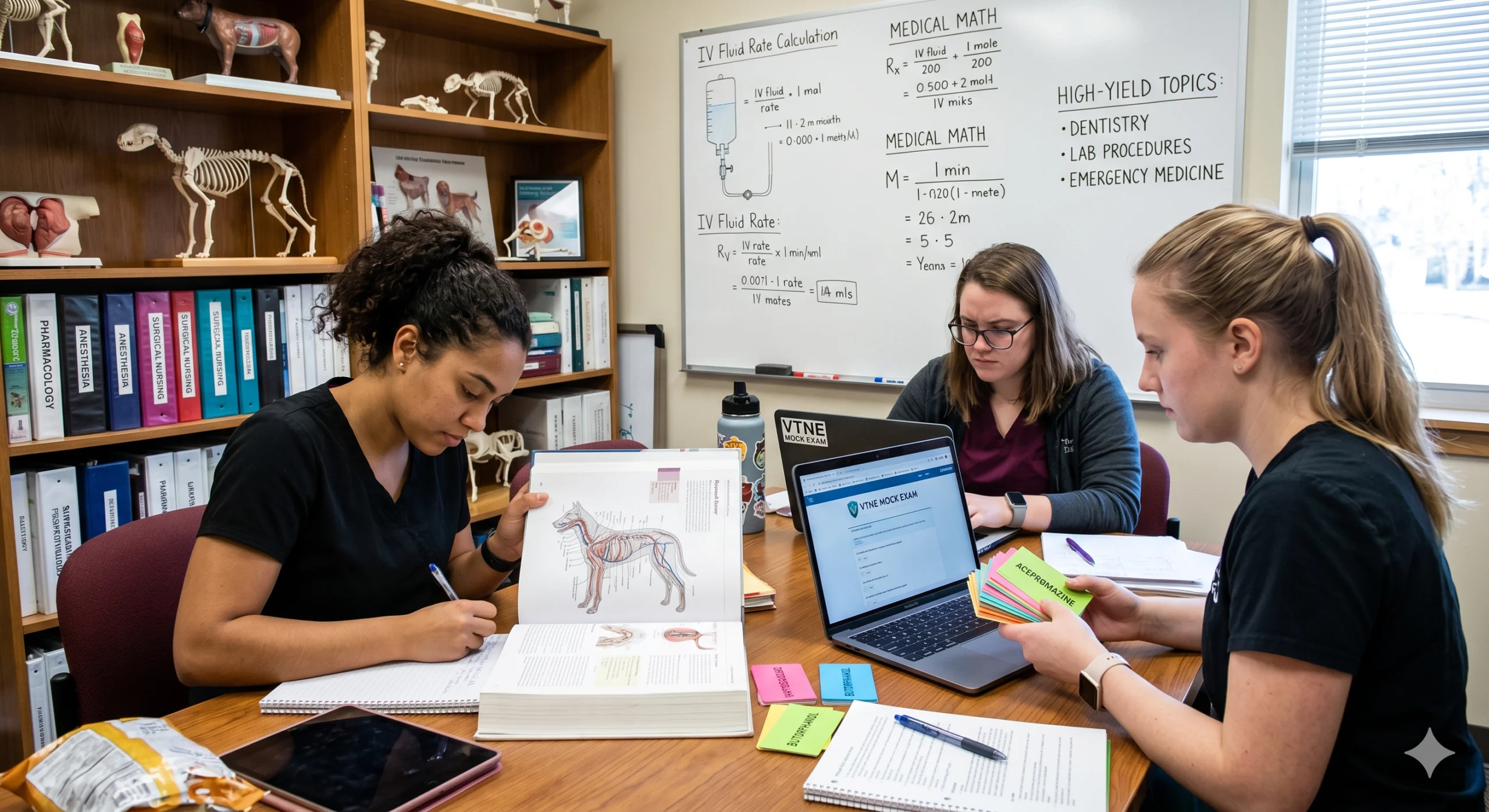

Choosing to become a veterinary technician is a commitment to a life of service, science, and advocacy for those who cannot speak for themselves. While the passion for animals is what gets most people through the door of a veterinary technology programme, it is the rigorous preparation for professional life and licensure that ultimately defines their success. Vet tech prep is not just a single event or a final exam study session; it is a multi layered process that involves academic discipline, hands on clinical mastery, and psychological readiness for the demands of the animal healthcare industry.
The Academic Foundation
The journey of preparation begins long before a student sits down for their board exams. It starts in the classroom, where the transition from animal lover to medical professional takes place. A quality vet tech programme focuses on the “why” behind the “how”. It is one thing to know how to draw blood from a cephalic vein, but it is another to understand the circulatory system, the potential for haematomas, and why a specific blood panel is being run.
Academic preparation requires a deep dive into pharmacology, anatomy, and physiology. Students must memorise hundreds of drug classifications, dosages, and contraindications. They learn the intricacies of anaesthesia, studying how different gases and injectable medications affect the nervous system of various species. This phase of preparation is often the most gruelling, as the sheer volume of information can be overwhelming. Successful students develop strong study habits early on, utilising flashcards, study groups, and digital resources to ensure they aren’t just memorising facts for a Friday quiz but retaining knowledge for a lifelong career.
Clinical Skills and Hands On Experience
Theory alone does not make a competent veterinary technician. The clinical portion of prep is where the “magic” happens. Most accredited programmes require several hundred hours of clinical externships. This is where students move from plastic models to real patients under the supervision of licensed professionals.
In this environment, prep means learning the physical dance of the clinic. It involves mastering the art of “low stress handling” to keep a frightened cat calm, or learning the perfect stance for restraining a large, boisterous dog. It also involves technical precision. A student must learn how to intubate a patient for surgery, how to clean and scale teeth during a dental prophylaxis, and how to process laboratory samples with accuracy. These skills require muscle memory, which only comes through repetition. True preparation in the clinical sense means volunteering for the difficult tasks, asking for feedback after every procedure, and staying late to observe emergency cases.
The Ultimate Hurdle: The VTNE
For many, the phrase “vet tech prep” is synonymous with preparing for the Veterinary Technician National Examination or VTNE. This three hour, 170 question computerised exam is the gatekeeper to the profession. It covers nine primary domains, including pharmacy and pharmacology, surgical nursing, dentistry, laboratory procedures, and emergency medicine.
Preparing for the VTNE is a marathon, not a sprint. Most educators recommend beginning a dedicated study regimen at least three to six months before the test date. This is where specialised prep tools come into play. Many graduates utilise online platforms that offer practice exams, which mimic the actual testing environment. These tools help identify “weak spots”. For example, a student might realise they are an expert in surgical nursing but struggle with the maths required for calculating fluid rates or anaesthesia constant rate infusions. By focusing their prep on these specific areas, they can enter the testing centre with confidence.
Developing Mental and Emotional Resilience
While technical and academic skills are vital, often the most overlooked part of vet tech prep is the mental and emotional preparation. The veterinary field is notorious for high rates of burnout and compassion fatigue. Preparing for this reality is just as important as learning how to read a microscope slide.
Prospective technicians must prepare themselves for the emotional weight of euthanasia. They must learn how to hold space for a grieving family while maintaining their professional duties. They also need to prepare for the fast paced, high pressure environment of a busy hospital where multiple emergencies might arrive at once. Building “soft skills”, such as effective communication, conflict resolution, and self care strategies, is a vital part of long term career preparation. A technician who has prepared their mind to handle stress is far more likely to stay in the profession for decades than one who has only prepared their hands for medical tasks.
Professionalism and Career Readiness
The final stage of prep involves the transition from student to employee. This includes resume building, interviewing, and understanding the legalities of the profession. Veterinary technicians must be aware of their state’s practice act, which dictates exactly what they are and are not allowed to do.
Preparation in this area means understanding the value of your credentials. It means knowing how to advocate for a fair salary and how to research potential employers to find a clinic culture that aligns with your values. Whether a technician wants to work in a small animal general practice, a high volume shelter, an equine facility, or a research lab, knowing how to present oneself professionally is the final key to unlocking a successful career.
The Evolution of Continuing Education
Even after the VTNE is passed and the licence is framed on the wall, the “prep” never truly ends. Veterinary medicine is an evolving field. New medications are developed, surgical techniques are refined, and our understanding of animal behaviour grows every year.
A professional technician views continuing education not as a chore required for licence renewal but as an ongoing preparation for the next stage of their career. Many technicians choose to pursue a speciality, becoming a Veterinary Technician Specialist (VTS) in fields like behaviour, nutrition, or anaesthesia. This requires a new level of prep, including years of documented experience and another rigorous exam. This commitment to lifelong learning is what separates a good technician from a great one.
Conclusion: A Foundation for Success
Vet tech prep is a comprehensive journey that transforms a student into a vital member of a medical team. It requires a balance of rigorous academic study, practical clinical skill, and the development of emotional intelligence. While the road to becoming a licensed technician is challenging, the preparation ensures that when a life is on the line in the treatment room, the technician is ready to act with precision, knowledge, and heart.
By investing deeply in the preparation process, veterinary technicians ensure the safety of their patients, the satisfaction of their clients, and the longevity of their own careers. It is a demanding path, but for those who complete it, the reward of making a tangible difference in the lives of animals is well worth the effort. devnoxa tech