
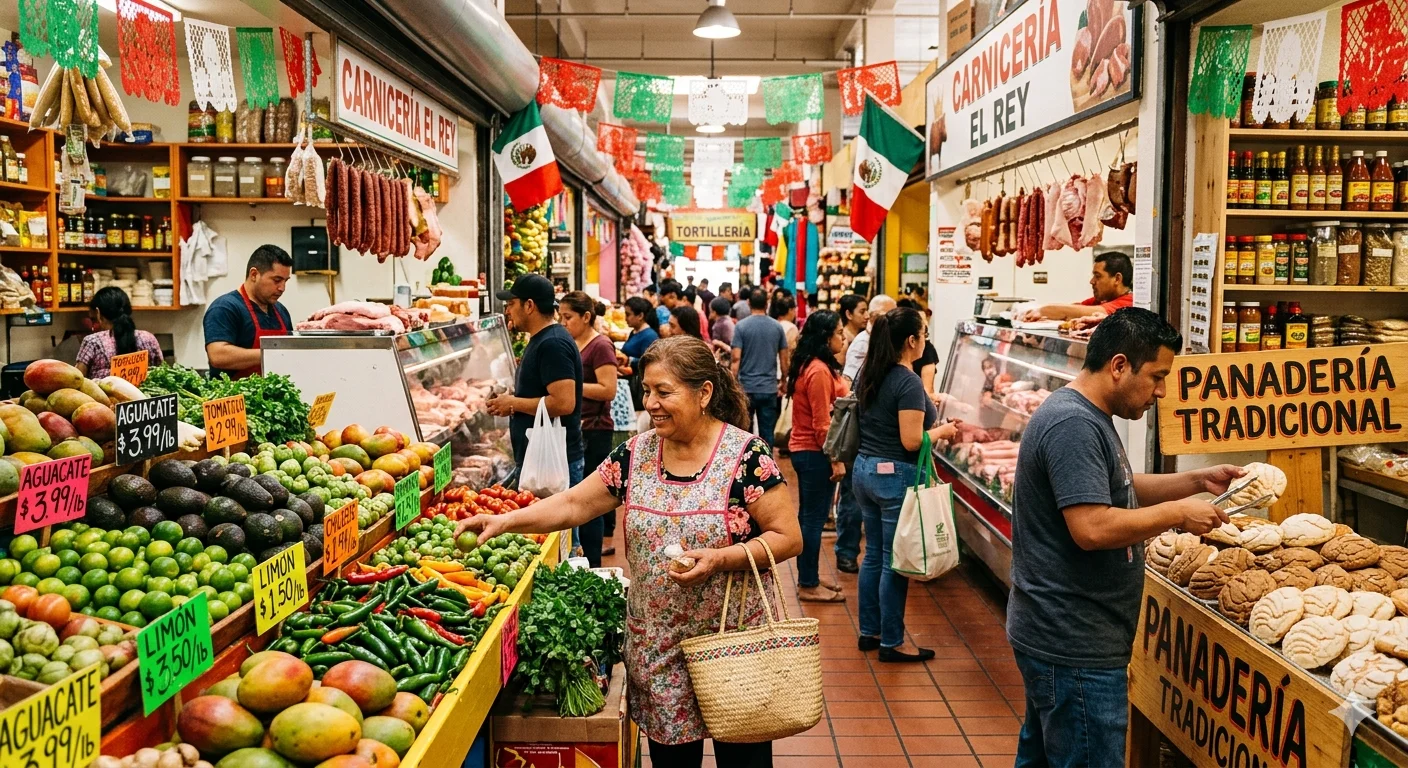

When you step through the doors of a local Mexican market, you aren’t just walking into a grocery store. You are entering a sensory landscape that feels miles away from the sterile, fluorescent aisles of a standard supermarket. The air is thick with the scent of roasted chilies, sweet pan dulce, and the savory steam rising from a nearby carnitas copper pot. Finding a Mexican market near you is like discovering a secret portal to a world where food is an art form and the community is the canvas.
In an era of self-checkout lanes and pre-packaged everything, the Mexican market remains a holdout of authentic human connection. Whether you are searching for the perfect avocado or a specific dried pepper for a family recipe, these markets offer an experience that is as much about culture as it is about commerce.
The Magic of the Produce Aisle
The first thing you’ll notice is the color. While traditional grocery stores often prioritize uniform appearance, Mexican markets prioritize ripeness and variety. You will see mountains of bright green limes, crates of prickly pears (tunas), and bundles of fresh cilantro that actually smell like cilantro.
Shopping for produce here is also a lesson in economy. In many larger chains, a single bunch of herbs might cost a couple of dollars. At your local Mexican market, you can often get three or four bunches for the same price. But it isn’t just about the staples. This is where you find the ingredients that make Mexican cuisine legendary:
- Tomatillos: Wrapped in their papery husks, these are essential for a tart salsa verde.
- Jicama: A crunchy, refreshing root vegetable perfect for snacking with lime and tajin.
- Nopales: Fresh cactus paddles, often already cleaned of their spines, ready to be grilled or diced into salads.
- Seasonal Fruits: Depending on the time of year, you might find mamey sapote, guava, or even sugar cane stalks.
The Carnicería Experience
If the produce section is the soul of the market, the carnicería (meat market) is its pulse. Forget about peeking through plastic wrap at a lonely steak. Here, the butcher is a craftsman, and the counter is a stage.
Mexican butchers utilize cuts of meat that are often ignored in mainstream stores but are vital for flavor. You can find thinly sliced diezmillo (chuck steak) perfect for quick grilling, or tasajo, a salt-cured beef. If you are planning a weekend barbecue, the “pollo preparado” (marinated chicken) or “carne asada” (marinated beef) are game-changers. They are soaked in a blend of citrus, spices, and achiote that takes days of guesswork out of your prep work.
Don’t be afraid to ask for something specific. Most butchers in these markets take immense pride in their work and are happy to give you exactly the cut you need for a slow-cooked birria or a batch of homemade chorizo.
The Panadería and the Tortillería
You can usually find the panadería (bakery) by following your nose. The smell of yeast and sugar is irresistible. Armed with a metal tray and a pair of tongs, you can wander through rows of conchas (shell-shaped sweet bread), orejas (palmiers), and bolillos (crusty rolls). These aren’t just desserts; they are a ritual, often enjoyed with a cup of hot chocolate or coffee in the evening.
But the real crown jewel is the tortillería. If the market has an in-house machine, you are in luck. There is a profound difference between a store-bought tortilla that has sat on a shelf for a week and one that is still warm to the touch. Fresh tortillas have a pliability and a nutty corn aroma that transforms a simple taco into a gourmet meal. Many markets also sell fresh masa (dough) by the pound, allowing you to go home and press your own tortillas or assemble tamales with the real deal.
Beyond the Food: A Cultural Hub
What truly sets a Mexican market apart is the atmosphere. It is a place where people linger. You might hear a radio playing ranchera music in the background or see neighbors catching up near the register. There is a lack of rush that feels refreshing.
In the aisles, you’ll find more than just food. There are often sections dedicated to:
- Veladoras: Tall prayer candles with intricate artwork.
- Handcrafted Goods: Molcajetes (lava stone mortars and pestles), wooden chocolate whisks (molinillos), and colorful pottery.
- Mexican Candy: From spicy tamarind treats to sweet goat milk lollipops (cajeta).
- Natural Remedies: Dried herbs like hibiscus (jamaica) for tea or chamomile for soothing ailments.
Why You Should Visit Today
Looking for a “Mexican market near me” is the first step toward better cooking and a broader perspective. Even if you aren’t an expert in Mexican cuisine, these markets are welcoming places for beginners. If you aren’t sure which chili is the hottest or how to cook a specific vegetable, just ask. The staff and even fellow shoppers are usually more than happy to share a tip or a recipe.
In a world that is increasingly digital and distant, the Mexican market remains a vibrant, tactile, and delicious reminder of what it means to shop locally. It is an invitation to slow down, explore new flavors, and support small businesses that keep tradition alive.
So, next time you need groceries, skip the big-box store. Find the local market with the colorful mural on the wall and the smell of fresh bread wafting out the door. Your kitchen, and your community, will be better for it. devnoxatech